

How We’re Restoring Minnesota’s Forests
We are working to plant trees, prevent wildfires and build resilience in Minnesota’s precious forests.

Minnesota’s forests enrich our lives in countless ways. They provide shade, wildlife habitat and places to enjoy the outdoors. They purify our water, filtering pollutants and trapping sediment in their deep roots. They absorb carbon dioxide from the atmosphere and store it for centuries. They provide timber, food and medicine, and generate jobs and economic opportunities.
But Minnesota’s forests are in trouble. Stewardship by Indigenous peoples of the Northwoods helped sustain a healthy forest for millennia, and their descendants continue to do so today. In the early 1800s, 31.5 million acres of forest covered the area that is now Minnesota. Today, that number has been reduced by nearly half, with less than 18 million acres of forest remaining.

Over the 19th and 20th centuries, logging, slash burning, wildfires and harvesting practices brought by European settlers dramatically changed the state’s forests. Today, climate change is accelerating those impacts. The mix of tree species is becoming less diverse and more vulnerable to disease, pests and wildfire. Once connected habitat is being broken up and converted, harming wildlife that depend on it.
These big threats require bold action. That’s why we’re working to conserve 2 million acres of resilient forests in Minnesota—forests that are diverse, healthy and able to withstand a changing climate. It’s an ambitious target, but critical for storing carbon, keeping water clean and providing habitat for wildlife.
This 2 million acre goal is divided across two key strategies we’re using to protect and conserve Minnesota's forests: Minnesota Million and resilience forestry.
Minnesota Million
Reforest 1 million acres in Minnesota
We are part of a movement to reforest 1 million acres of our state. The opportunity is there, but it is going to take all of us to reach this goal. We’re focused on supporting private landowners with planting trees on their lands that were previously forested and cut down for logging or agriculture. By reforesting these lands, we can capture 1.5 million tons of carbon dioxide per year, provide wildlife habitat and improve water quality.
-

2.6M
acres of deforested land were identified as a reforestation opportunity.
-

1.5M
tons of CO2 could be captured annually by 1 million reforested acres.
-

95%
of Minnesota's reforestation opportunity is on privately owned land.


Resilience Forestry
Improve resilience on 1 million acres in Minnesota
We’re focused on making Minnesota’s Northwoods more resilient to a changing climate by planting and tending diverse, climate-smart trees in the most impactful locations, like in key moose habitats and along streams and rivers that flow to Lake Superior. This, combined with land protection and management strategies like prescribed fire will strengthen our Northwoods as the climate changes.
-

13.3M
trees have been planted since 2005.
-

197
miles of shoreline were restored along rivers and streams.
-

5,784
acres of forest were burned using prescribed fire since 2023.
Resilience Forestry in Action
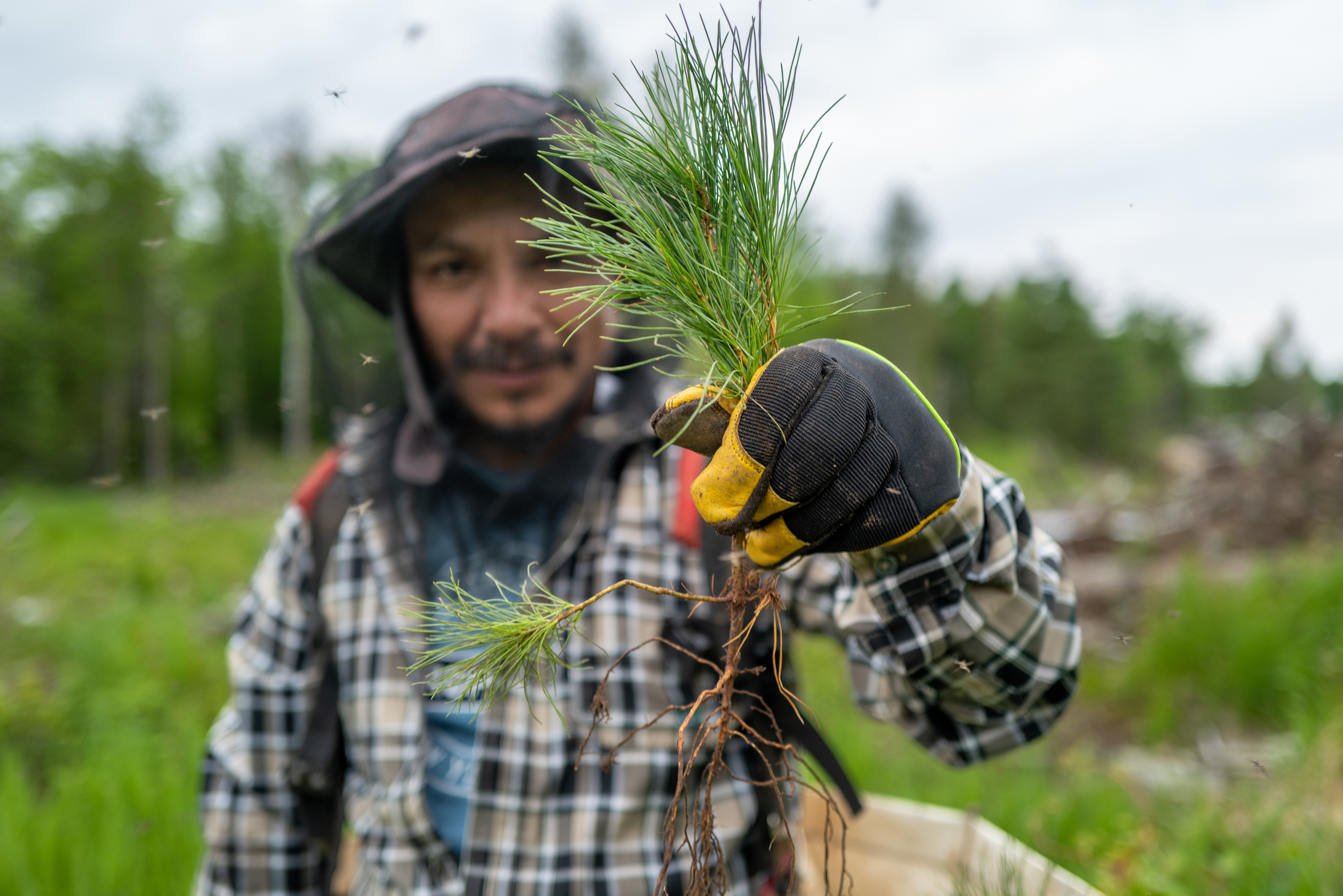
Tree Planting
We are ramping up our tree planting work in northern Minnesota, planting more than 2 million trees each year. We plant a variety of native tree species from seeds with genetic diversity, disease resistance, and from areas further south in their range that are adapted to a warmer climate. This is one way we’re ensuring our forests remain resilient for future generations.
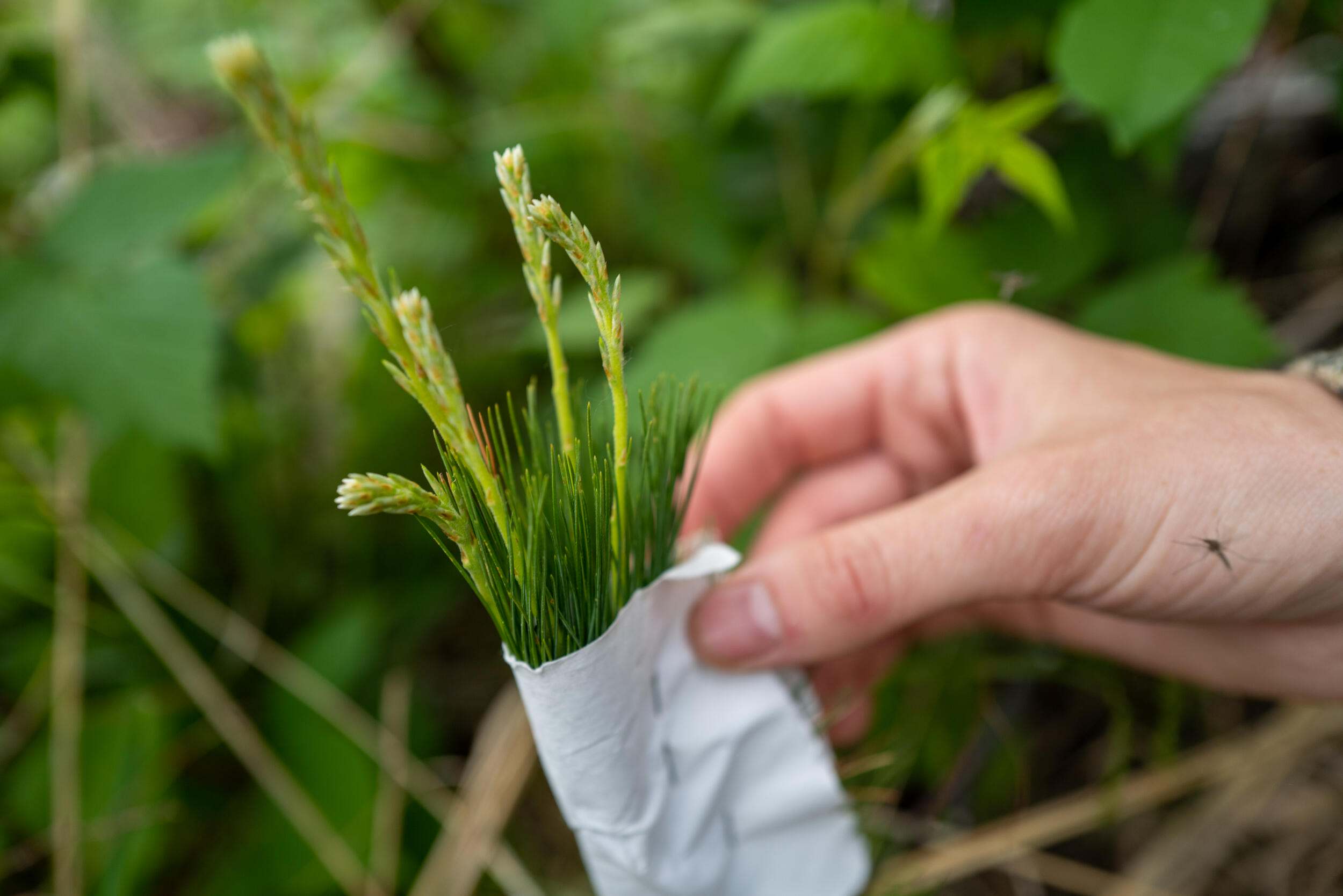
Tree Tending
After trees seedling are planted, they need to be cared for. We’re making sure our tree planting efforts don’t go to waste by regularly tending to young trees and protecting them from herbivores like deer. To give trees the best chance of survival, we protect them by “budcapping,” or covering their top bud, and placing tree shelters like fences or tubes over the seedlings so they can grow above browse height and clearing shrubs and less desirable trees in planted areas.
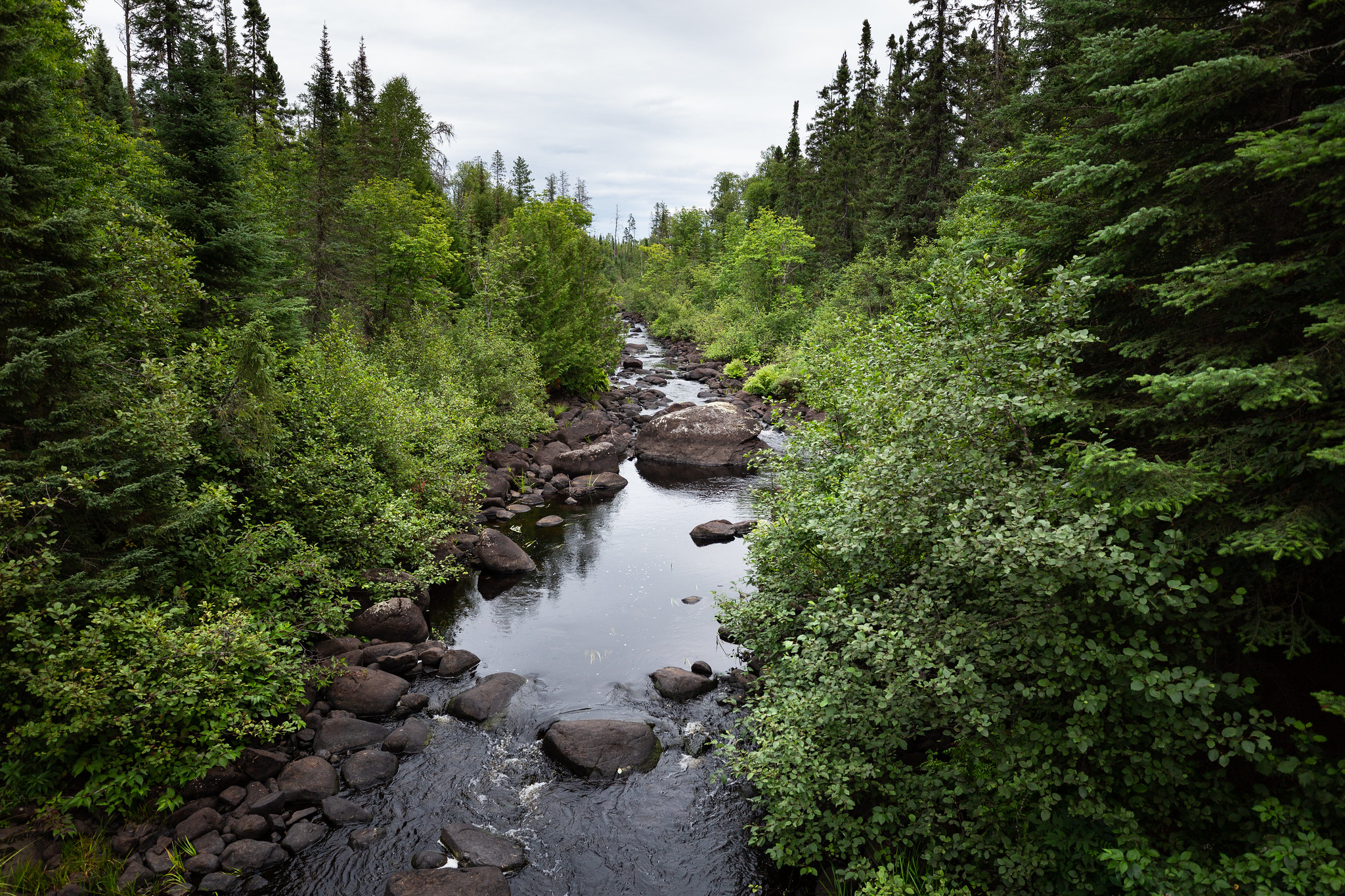
Streams & Rivers
We’re planting trees along rivers and streams to help keep water clean and cool. This strengthens habitat for species like trout, ensures our lakes and drinking water stay clean and connects habitat for wildlife both in and around the water.
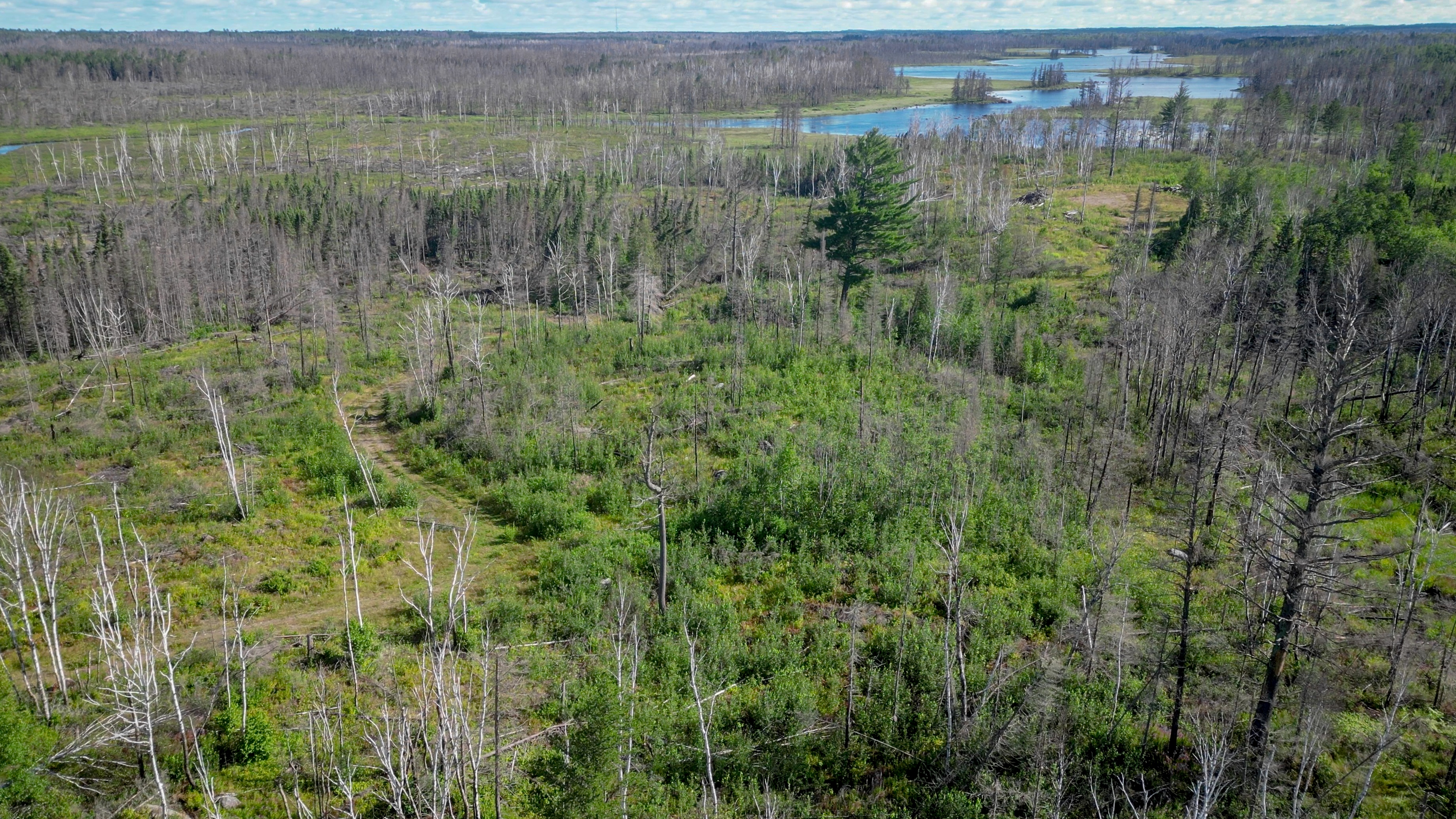
Land Protection
We acquire lands for permanent protection, and secure conservation easements that help landowners safeguard their lands in perpetuity. This work keeps forests intact, ensuring they continue to benefit people and wildlife for generations.
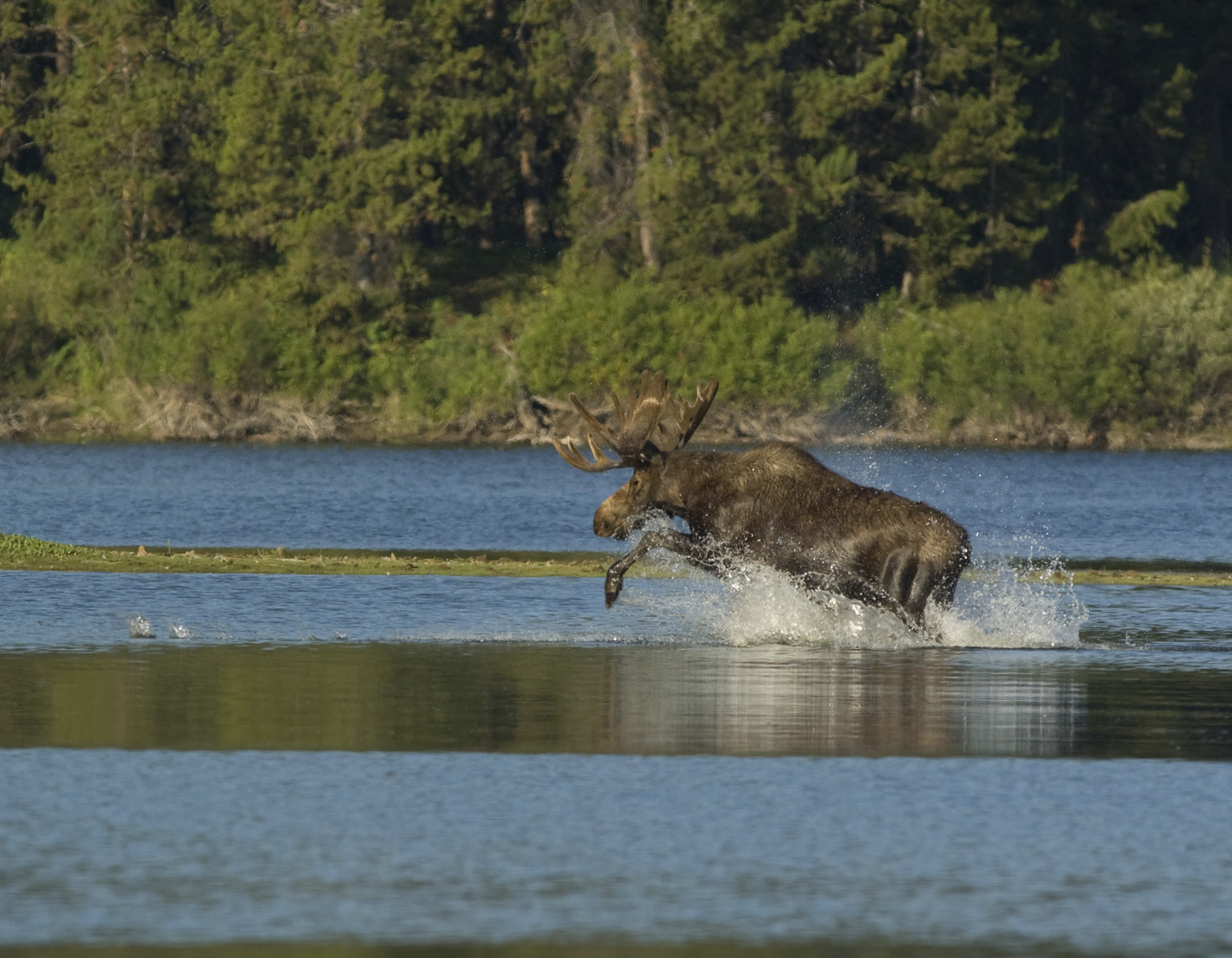
Moose Habitat
Northeast Minnesota is a stronghold for moose, a culturally important species for Indigenous communities. But populations have struggled in the last two decades. We’re prioritizing moose habitat in our forest restoration work by creating habitat suitable for moose to move, shelter and forage.
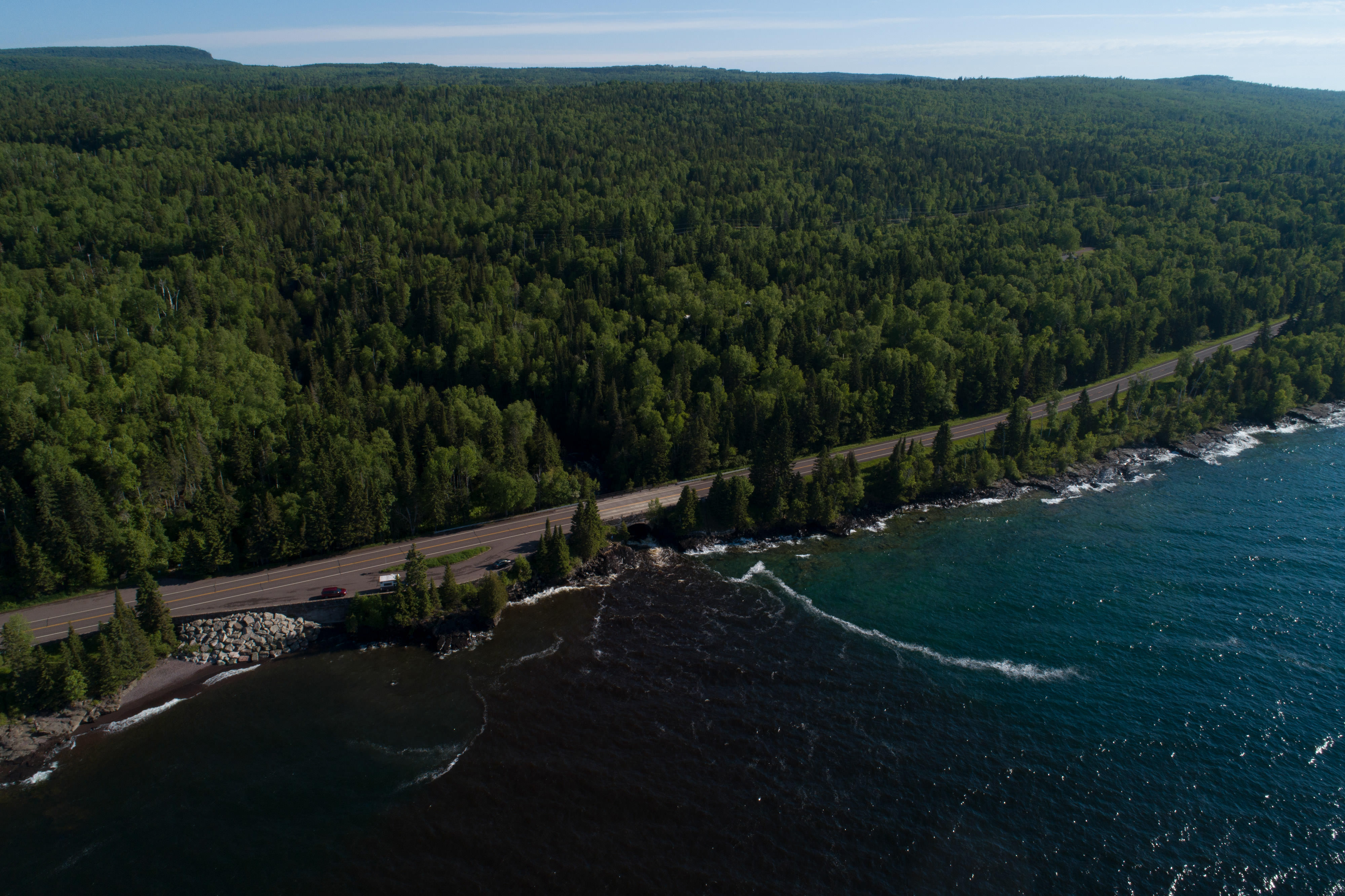
Highway 61
Next time you’re driving along Highway 61, the scenic road along Lake Superior, look out the window to see young trees protected by fencing and tree shelters growing along the roadside! The new trees are filling gaps in the forest canopy caused by die-off of birch in recent years.
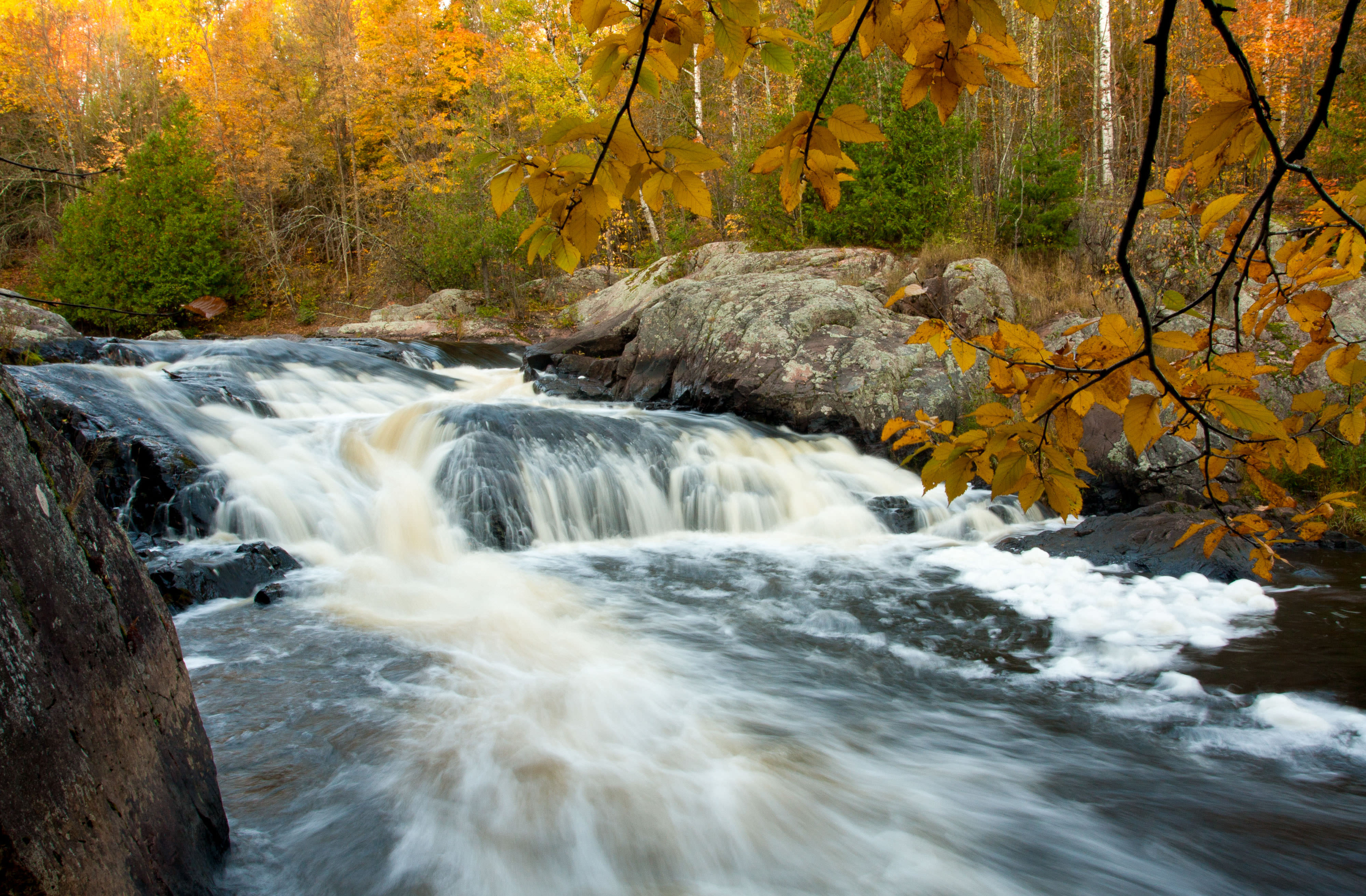
Across the Region
The Northwoods expand beyond Minnesota’s borders into Wisconsin and Michigan. We’re partnering across the region to keep this treasured ecosystem connected and resilient for people and nature.
How We're Helping
-
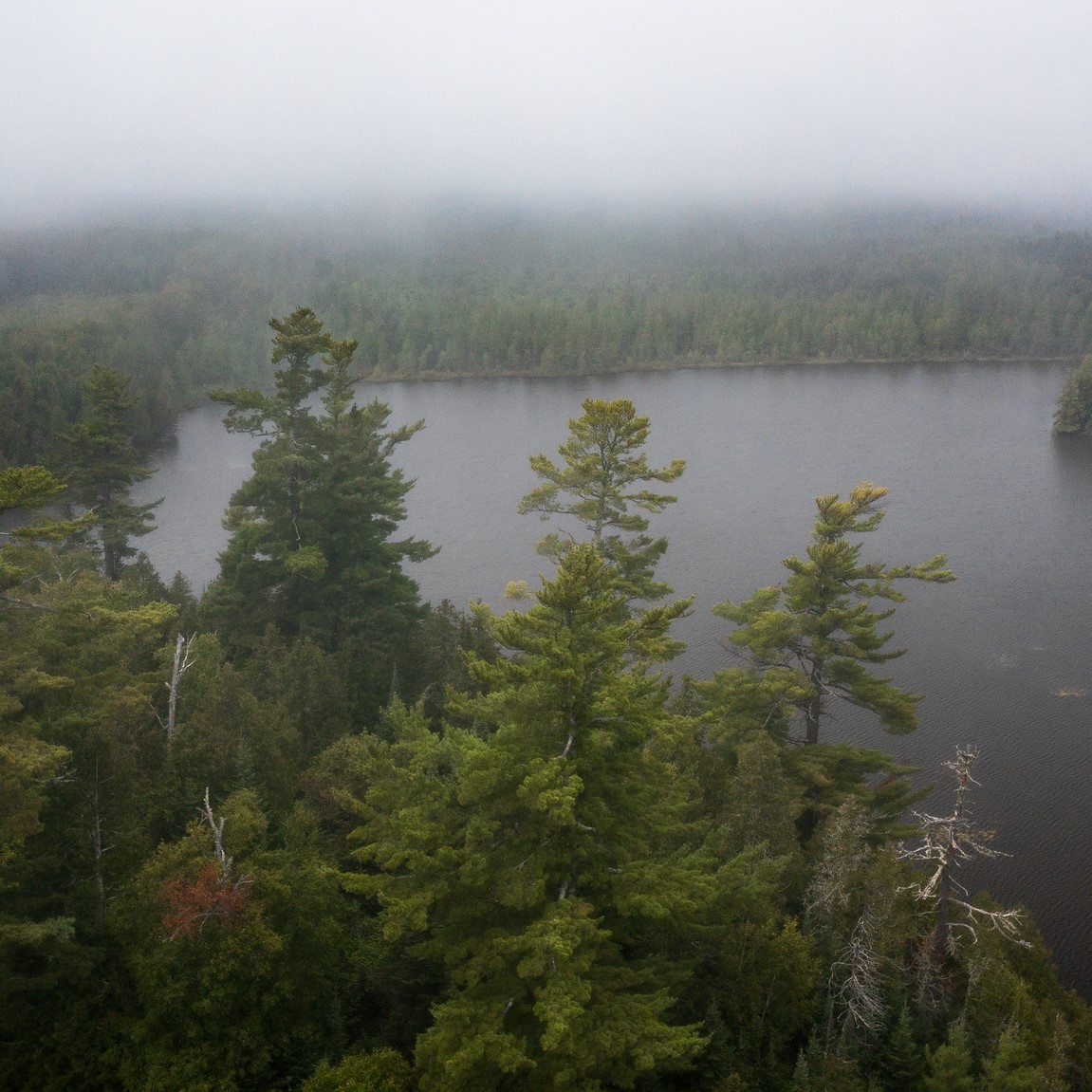
Protecting existing forest.
We conserve forest through conservation easements and acquisition. Learn more
-
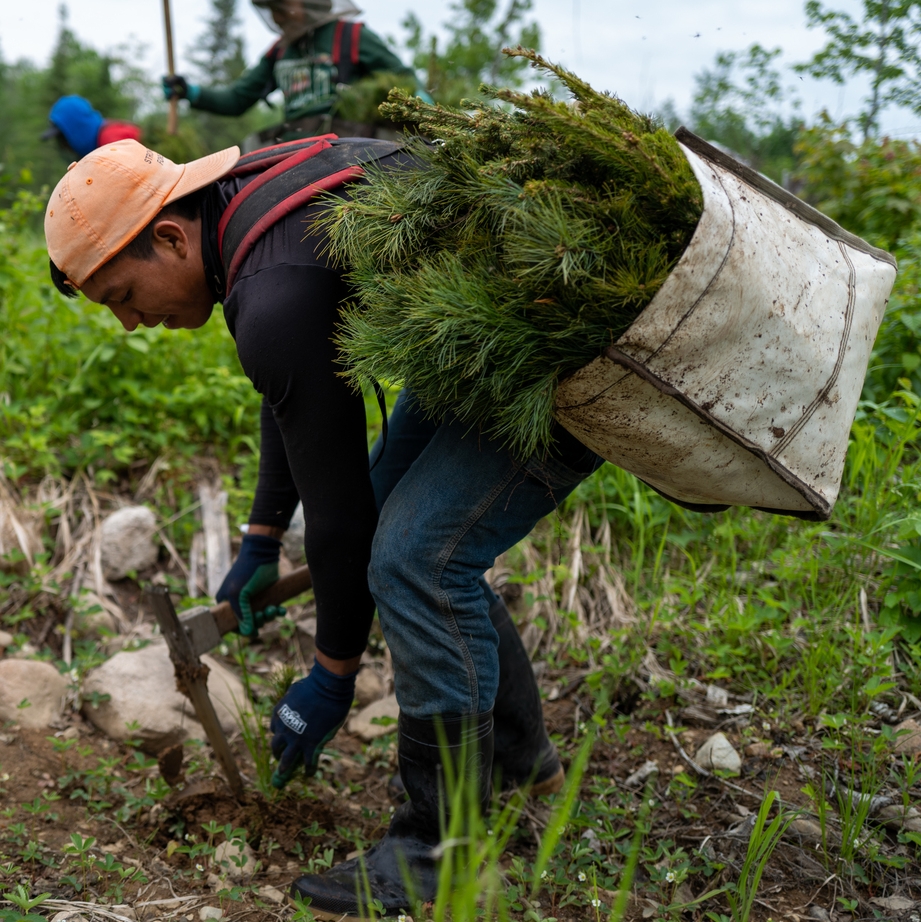
Restoring resilient forests.
TNC and our partners are working to collect seeds, plant trees and tend to young forests to ensure resilience in future forests. Learn more
-
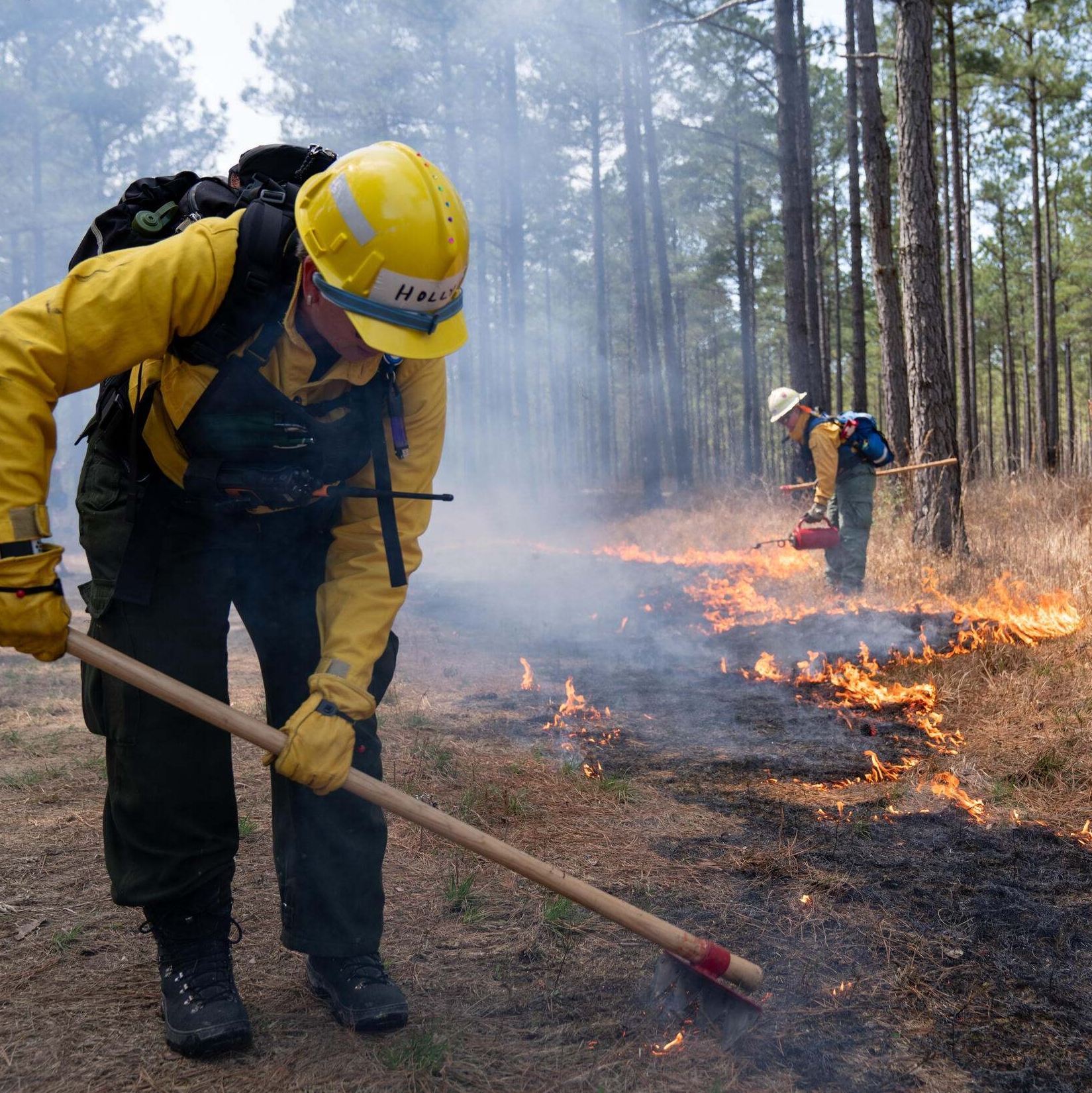
Returning fire to the woods.
Controlled burns are an essential tool to maintain the health and diversity of our forests and reduce the risk of catastrophic wildfire. Learn more
-
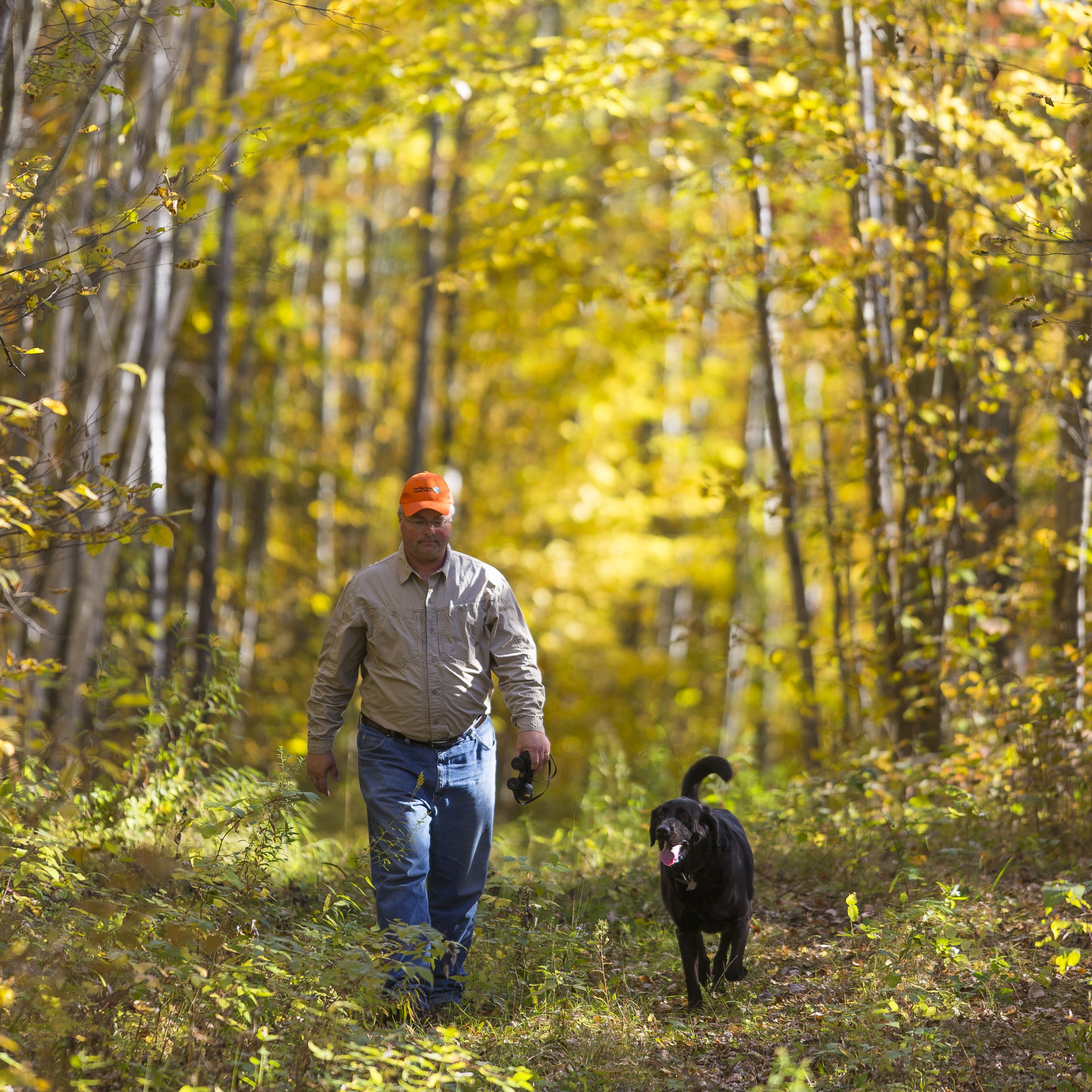
Advocating for healthy forests.
We’re helping advance public funding and policy for forest restoration. Learn more
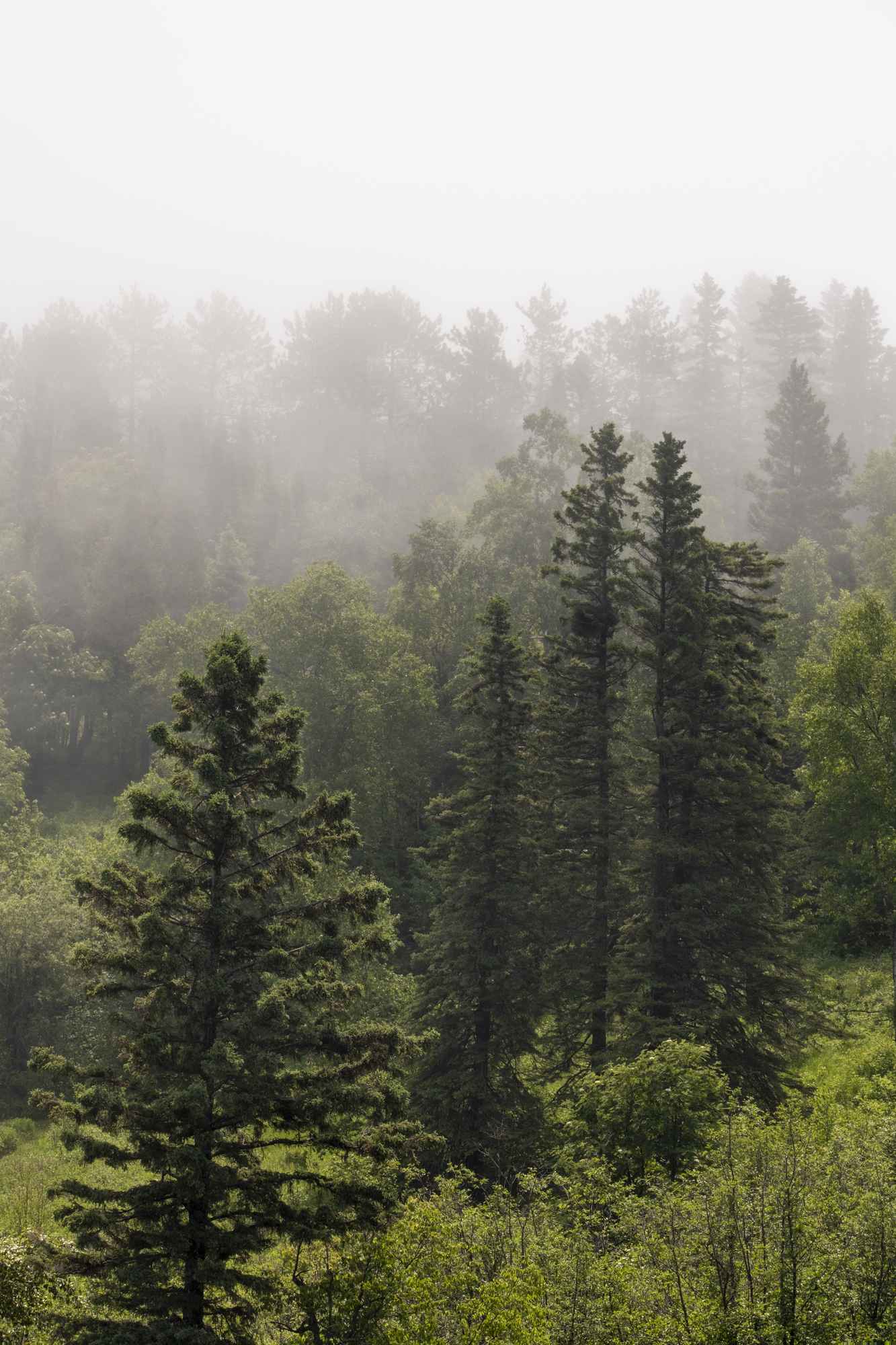
Preparing for Climate Change
A warming climate exacerbates existing threats to our forests. Warmer temperatures allow pests to thrive and extend dry periods, which increases the risk of catastrophic wildfires that endanger people, homes and wildlife.
But forests are also part of the solution to climate change. Trees absorb carbon dioxide from the atmosphere, slowing the pace of warming. If we reforested 1 million acres in Minnesota, those trees could remove the equivalent of 1.5 million tons of carbon dioxide annually. That’s like removing 348,000 cars from the road each year.
We use science to inform our forest restoration and protection strategy. Part of our strategy includes planting “climate-smart” seedlings sourced from central Minnesota, a bit south of where we plant them in northern Minnesota. Doing so ensures that we’re growing trees that are native to the region and more likely to have genes that are adapted to warmer temperatures, which increases their resilience to climate change. This simple method, known as “assisted migration,” helps accelerate a natural process.
We also are ramping up our efforts to conduct controlled burns on forestland to safely clear out vegetation that could fuel devastating wildfires and to restore habitat for native plants and wildlife. And we’re supporting high-quality carbon credits that give landowners incentives to keep carbon-rich forests intact.
Minnesota’s iconic forests provide so many benefits. That’s why we at The Nature Conservancy are advancing practical and innovative solutions to preserve their health and resilience to benefit people and nature.
We can’t protect forests without you!
By subscribing and giving, you help support our work to protect the lands and waters on which all life depends.

More forest stories

Restoring the World's Forests
How reforestation can be one of the planet's most effective natural climate solutions for people and nature.

Climate Change in MN, ND & SD
Nature is part of the solution. Here’s how we’re working with it—and how you can too.

Resilient Waters
Fresh water is everywhere. It’s indispensable and imperiled. Here’s how we’re working to protect it.