


Montana’s Annual Report
Explore the work you make possible with our downloadable report.
Download
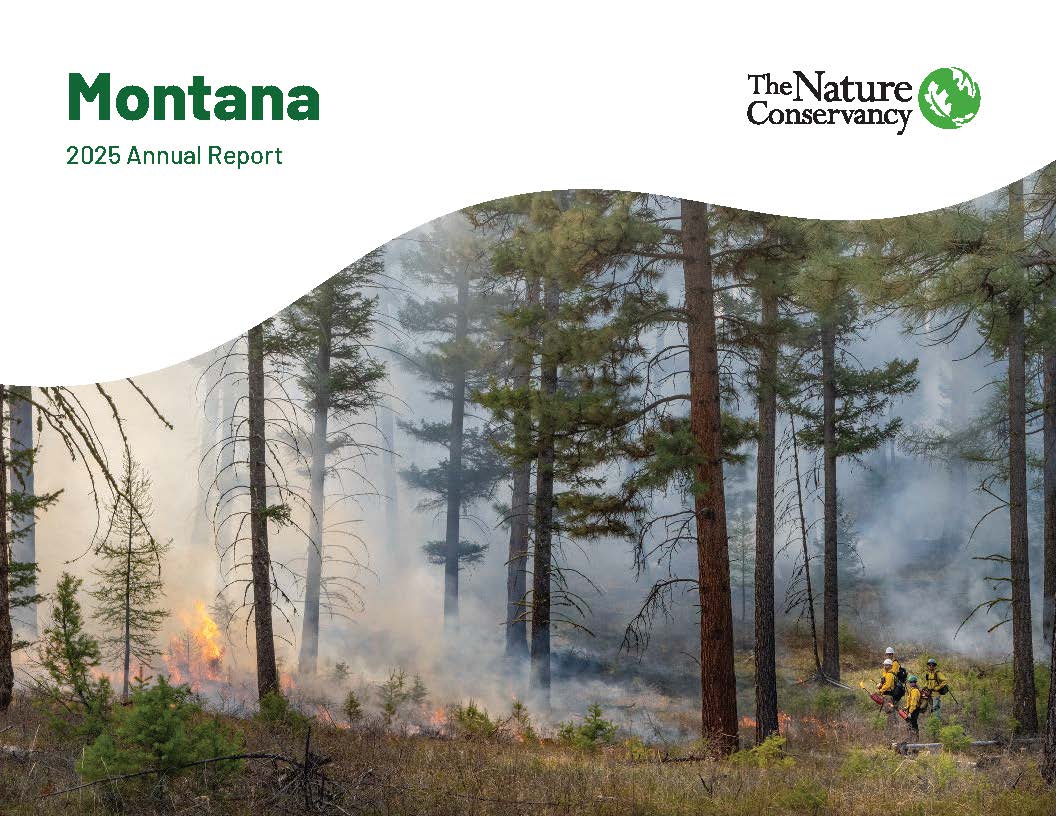
Read our 2025 Impact Report and explore the work your support makes possible in Montana.
DownloadQuote: Chris Bryant
In the 55 years we’ve been working in Montana, we’ve increasingly helped create and caretake public lands—managing forestry, stream and rangeland projects that yield benefits for nature, yes, but also provide good local jobs.

Inside the Downloadable Report
At Risk: Funds for Montana
Chris Bryant explores the importance of public land and funding.
Next-Generation Ranching on a New Grassbank
Webb Ranch will give early-career ranchers—and conservation—a strong start.
The Power of Permanence
Conservation easements are a clear winner for landowners and nature.
Restoring the West’s Forests
New program leverages efforts across states for Montana’s forests and beyond.
High Tech on the High Divide
Across 250,000 acres of southwest Montana, ranchers are testing new regenerative grazing tools.
Engaging Indigenous Youth
TNC expanded its work with Indigenous youth in Montana through a Blackfeet youth conservation program and launching an internship program with Aaniiih Nakoda College.
Unravelling the Mystery of the Missing Birds
Montana State University graduate student researches sharp-tailed grouse at Matador Ranch.
Stories from the Report

Next-Generation Ranching on a New Grassbank
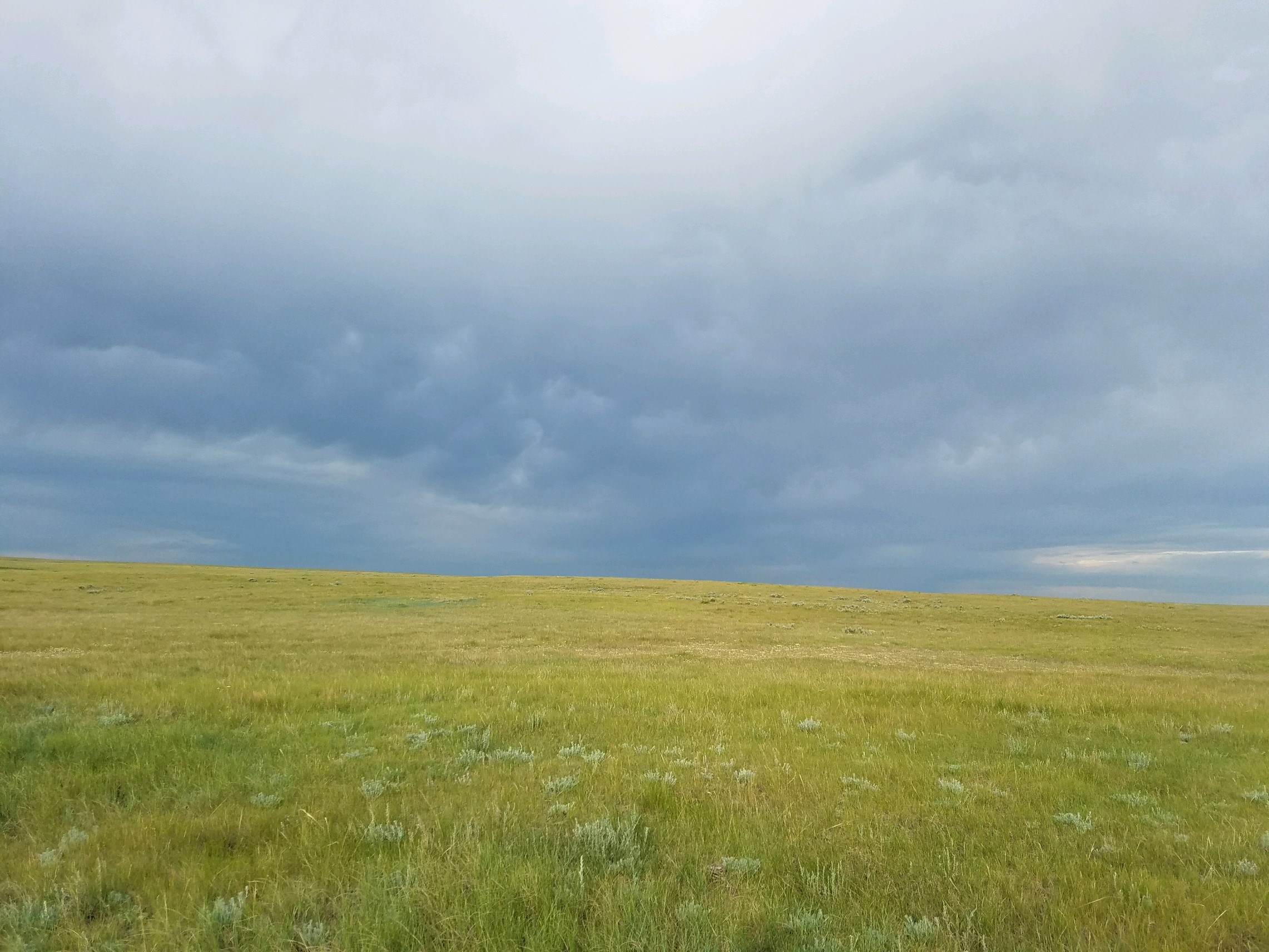
Bill Webb’s favorite thing about his family’s northern Montana homestead remains virtually unchanged from when his grandfather settled there more than a century ago: the pronghorn. “There have always been abundant antelope,” he says. “They come out of Canada and pass through in the fall, and there will be a couple hundred to a pack, traveling together. I just love them.”
Many other things on the ranch have changed, from the striking decline in sage-grouse to the loss of neighbors as ranchers retired and their children left for careers elsewhere. “Back when I was a kid, you could drive two miles to find a neighbor. Now you’ve got to drive eight miles,” he explains. His own family decided to consolidate their ranching operation onto family land closer to Malta. When they put the original homestead, near Loring, up for sale, they first reached out to neighbors before finding a buyer in The Nature Conservancy.
TNC had been working with a Montana rancher-led collaborative nonprofit, Ranchers Stewardship Alliance (RSA), to find a second ranch on which to expand TNC’s promising grassbank program. While the first grassbank, at the Matador Ranch, offers discount grazing leases in exchange for conservation practices on lessees’ own ranches, the new grassbank will offer early-career ranchers an opportunity to get into the business even if they don’t own land.
“One problem facing many young people hoping to get into ranching is the soaring cost of land and leases that simply prices them out of the market,” says Kelsey Molloy, TNC’s Northern Great Plains director.
The new grassbank, which TNC will donate to RSA to manage, will provide early-career ranchers with grazing discounts, mentorship and practical advice from seasoned ranchers while they experience the benefits of long‑term conservation first-hand. And in a line of work where the average age is 59 years old, an infusion of younger people is essential to sustaining the schools, grocery stores and other services that are so vital for rural communities.
“We have a big vision for this grassbank. By pairing access to land with support, learning and relationships, we’ll help new and growing ranchers start strong, stay strong and contribute to a thriving community for generations to come,” says RSA President Conni French.
Webb was glad to see the family homestead find new life as a grassbank. “I think it’s a wonderful way to get young ranchers a foothold in the industry,” he says. “Anything we can do to get young people interested in this way of life sounds good to me.”
Meanwhile, on Webb’s now-consolidated ranch, his son returned from school and jobs elsewhere to join the family business. “He wanted to come back, his kids love it. It’s the best thing ever.”
This project was supported by NFWF and by the Rauner Family Foundation. TNC’s Vinary Fund, founded by Vince and Mary Ames and supported by other contributors, also helped make the purchase possible.
The Power of Permanence
Eastern Montana may feel more closely tied to the Great Plains and western Montana’s forests may feel more akin to the Pacific Northwest, but the two sides of the state have something very powerful in common: their residents share a powerful ethos of responsibility to the land. Montanans feel fiercely driven to protect the natural beauty and wildlife that inhabit the lands they own. Many want to make sure they remain in good stewardship for generations to come.
Exactly how to do that has become more complex in recent years as a variety of land protection agreements offer different levels of protection. The gold standard has always been conservation easements—voluntary agreements that permanently protect the natural values of the property while ensuring that traditional practices such as ranching, forest management and other activities can continue as before.
With a conservation easement, the landowner voluntarily agrees to donate or sell specific rights associated with their property, such as the right to subdivide or develop the property beyond limited commercial or residential uses. The landowner still owns the land and can sell it or pass it down to their children or grandchildren, with the understanding that future landowners must continue to honor the requirements of the easement.
Forever is a very long time, of course, and for landowners who are not yet ready to commit to an easement, conservation leases have emerged as an alternative. These relatively short-term agreements, typically 30–40 years in length, generally commit the landowner to not subdivide the property, cultivate native soils or otherwise develop the land during the duration of the lease.
While leases have their place, The Nature Conservancy maintains that conservation easements are far and away the best way for landowners to ensure that the effort they’ve put into stewarding their land, and, in many cases, their community’s agricultural and forest heritage, will endure. That is because conservation easements have significant practical advantages compared to leases.
Tax savings for families
Land prices have skyrocketed in Montana, and for many ranching and farming families, their land has become far more valuable than what they can earn from running cattle or cutting trees. Selling the development rights to the land (by placing a conservation easement on it) reduces the market value of that land, allowing landowners to pay less in estate taxes and to potentially seek a federal tax deduction if they donate a portion of the value of the easement. By contrast, conservation leases do not provide a tax advantage.
Family agriculture businesses typically operate with slim margins, so the tax savings from an easement can mean the difference between the next generation being able to inherit the land with enough money to keep working it and having to sell the land to a developer.
Return on investment for conservation
Conservation is very often a long game. The work of restoring streams, combating invasive species, protecting wildlife corridors and returning forests to health can require investment over decades, with a return on that investment that is significant but not immediate. Since more conservation work needs to be done than funds exist to accomplish it, it only makes sense that public funding and philanthropy dollars should go to conserving and restoring lands that won’t be sold off within a few decades.
Conservation easements ensure that taxpayers and donors will see their money result in lasting impact for nature and communities. So while there are a variety of ways to conserve a place as extraordinary and diverse as Montana and each option has its place, conservation easements provide the greatest benefit to landowners and their families, as well as for nature.
Restoring the West’s Forests
Across 150 million acres of the western United States and Canada, dry forests of ponderosa pine, Douglas-fir and other fire‑adapted trees provide diverse habitat for wildlife, capture rain and snow that become the water supply for millions of people and help drive rural economies. When healthy, these forests grow tall and open, with dappled sunlight that nurtures shrubs and grasses where deer and elk browse and black bears roam.
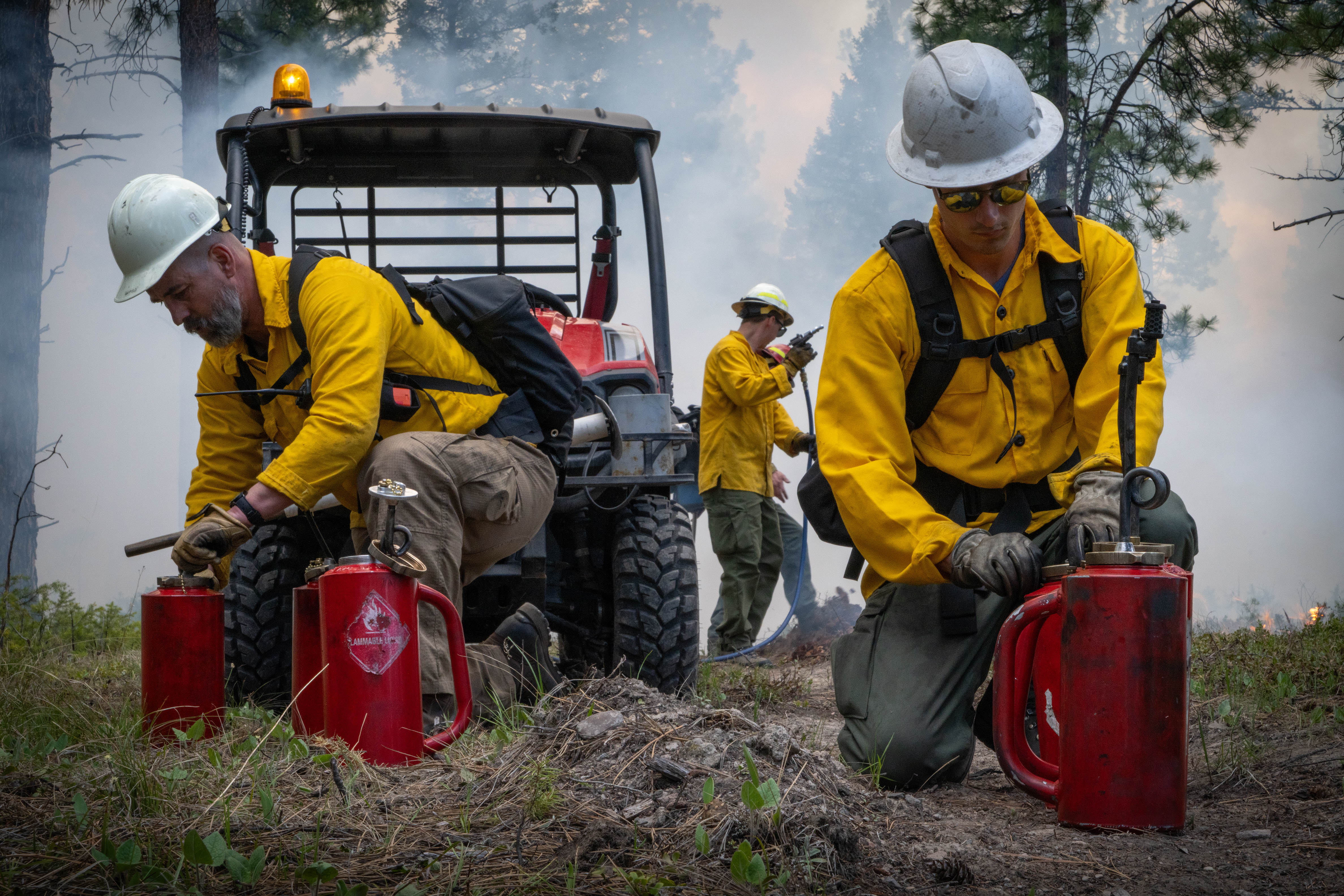
But dry forests are under threat, both in Montana and across the West. They depend on the benefits of low‑ and medium‑intensity fire, which clears out small trees, dead vegetation and woody debris. However, dry forests have become overgrown after more than a century of policies that removed beneficial fire from the landscape, leaving forests and communities vulnerable to extreme wildfire.
A new TNC initiative has taken root to address this threat. Established in 2024, the Western Dry Forests Program is working closely with states and partners across the West to help lead collaborative restoration, recognizing that the greatest benefits to dry forest ecosystems are gained by working across federal, state and private lands.
A significant obstacle preventing agencies and landowners from collaborating on burns has been a lack of clarity on financial liability in the event of an injury on the fire line or an escaped burn. This year, we supported legislation in Montana, as well as in Washington and Colorado, that creates more opportunities for prescribed burning by providing that clarity and offering protections to those who are well trained and adhere to best practices while conducting burns.
The team has also been working to research and prioritize where restoration is most impactful for forests and communities. In Montana, the broader effort touches down in a very local way, as forestry staff who live and work in western Montana collaborate with communities that are facing a decline in jobs as the state’s timber industry suffers financial challenges.
A crucial first step in forest restoration is reducing the density of small trees so that controlled burns can safely be conducted and further improve the forest’s health. Many of the skills and resources needed to thin forests are the same as those needed for timber harvest: a workforce of experienced sawyers and heavy equipment operators, as well as local mills that can turn small logs into lumber and help offset the cost of the labor.
With enough funding to continue and expand thinning work and the strong local partnerships TNC has developed over decades, the declining timber economy can be transformed into a restoration economy that offers good-paying jobs for rural communities who want to continue the region’s long tradition of making a living and a life in the woods.
High Tech on the High Divide
Ranching is not a business for the faint-hearted. There’s coping with the whims of weather that may leave a rancher searching for water for their cattle in August or helping a calf into the world in the middle of a blinding April snowstorm. Even in good years, it’s hard to turn a profit. Ranching is steeped in tradition, but modern technology may help make things a little bit easier on ranchers and the environment.
Across the High Divide Headwaters, The Nature Conservancy is working with ranchers through the Southwest Montana Sagebrush Partnership to add high‑tech tools to their traditional tool bag. And it is ranchers who are spreading the word.
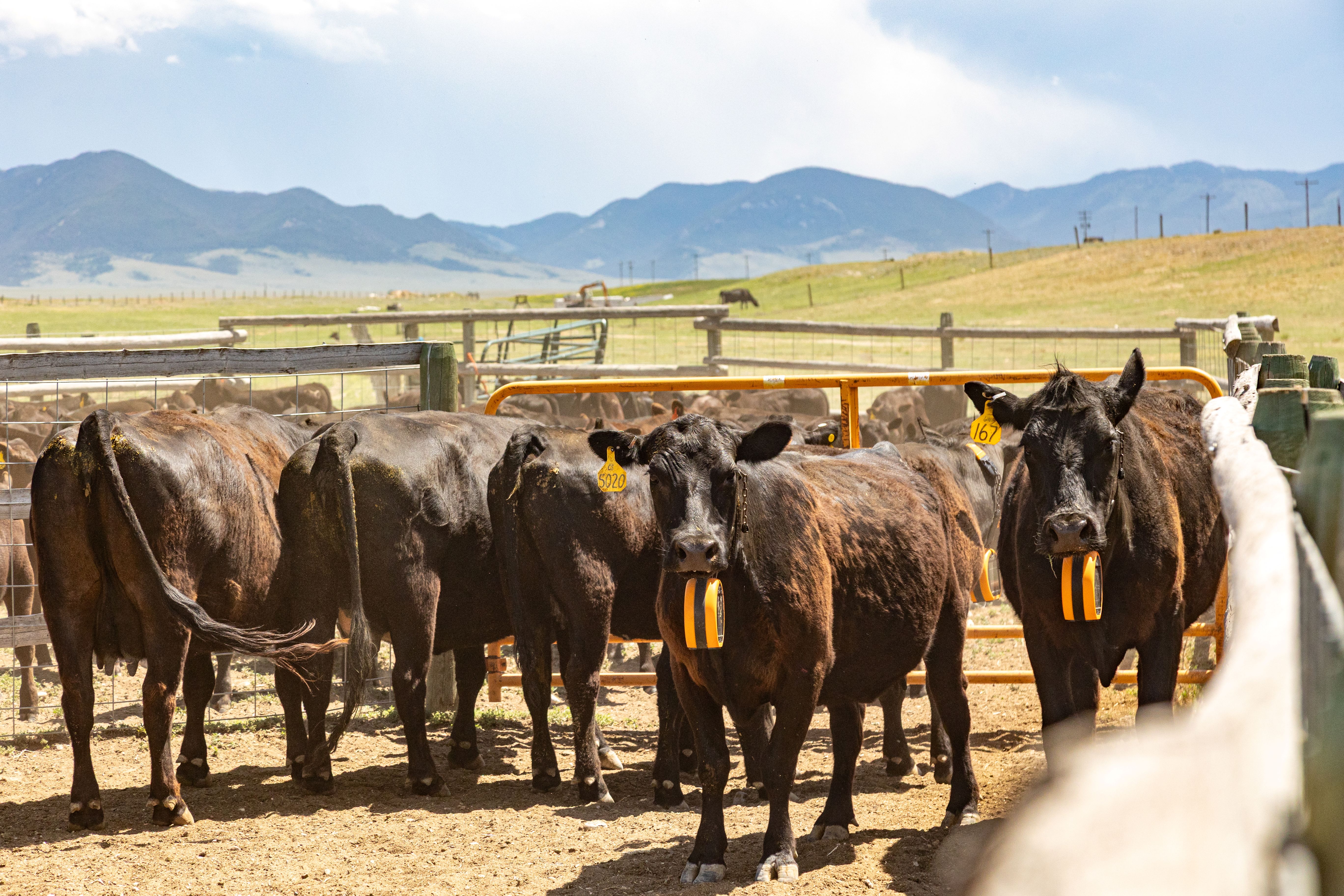
Solar‑powered wells and holding basins to collect snowmelt enable ranchers to spread their herds on to more remote pastures, easing grazing pressure on the more accessible areas.
Virtual fencing uses electronic collars to direct cattle towards underutilized areas while excluding sensitive areas—all without a physical fence. Virtual fences also help wildlife whose movement can be thwarted by wire fences.
GPS ear tags enable ranchers and range riders to monitor their herd’s location without having to get on a horse or in a truck to track down the animals.
Third‑generation rancher Colt High of the Broksle Ranch is a fan. “We’re trying to cut costs and always improve the efficiency, so having this technology helps us better use our pastures and forage,” explains High. “And it cuts down on the labor and really opens up the possibilities of what we can do from a grazing perspective.”
As these new tools show promise, ranchers may become their greatest ambassadors. Through workshops and word of mouth, early adopters are bringing others on board. To date, eight ranches encompassing more than 250,000 acres have embraced some form of technology.
TNC and our supporters have catalyzed this movement with information, skills and funding. Our staff scientists, along with partners, are measuring effects of the various tools, both environmentally and economically, so we can quantify their benefits. Those hard numbers, along with straight‑shooting testimonials from respected ranchers who have put the technology to the test, will help encourage others to give the tools a try.
Engaging Indigenous Youth
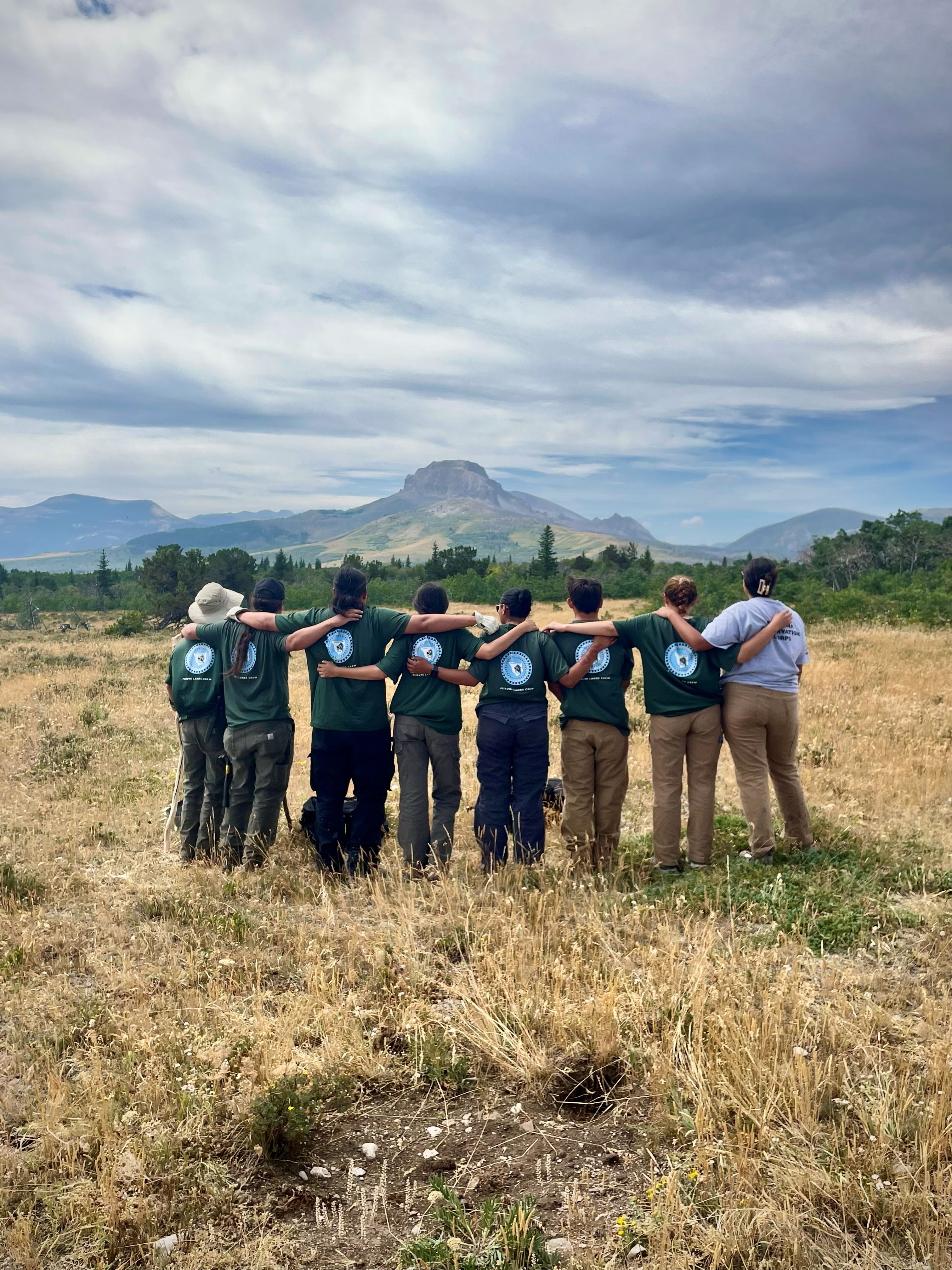
The Nature Conservancy expanded its work with Indigenous youth in Montana this summer by deepening our engagement with a Blackfeet youth conservation program and launching an internship program with Aaniiih Nakoda College.
The Montana Conservation Corps Piikuni Lands Crew, a crew of young Blackfeet community members, spent several weeks working at TNC’s Heart Butte Preserve and the Blackfeet Nation’s Yellow Bird Woman Sanctuary. The crew improved wildlife passage by removing old fencing and fixing some that was in disrepair. This program provides jobs and technical training for Blackfeet youth as well as promoting field‑based connections to ancestral lands, Indigenous knowledge and other aspects of Blackfeet culture.
Further east, we welcomed two interns from the Fort Belknap Reservation to the Conservancy’s Matador Ranch as part of a new partnership with the area’s Tribal college. Jazmine Cole, a young Gros Ventre (Aaniiih) student, shared her thoughts about her summer at the Matador:
“This summer, I had the opportunity to intern at The Nature Conservancy’s Matador Ranch in Montana, as a Native American Fort Belknap tribal member and student from Aaniiih Nakoda College. Before this experience, I didn’t know much about TNC, but I’ve since learned how they work to protect land, water and wildlife through science-based conservation and partnerships."
At the Matador Ranch, I gained hands-on field experience, not only learning how to fix fences but also taking part in other ranch-hand duties that support land and livestock management. I also learned how properly managed cattle grazing can actually benefit the health of the prairie.
“One of the most rewarding parts of the summer was working alongside TNC employees who took the time to teach and guide me. Collaborating with them helped me grow both personally and professionally. As someone with deep roots in the land, this internship helped me connect traditional values with modern conservation and inspired me to keep working toward protecting our environment.”
Unravelling the Mystery of the Missing Birds
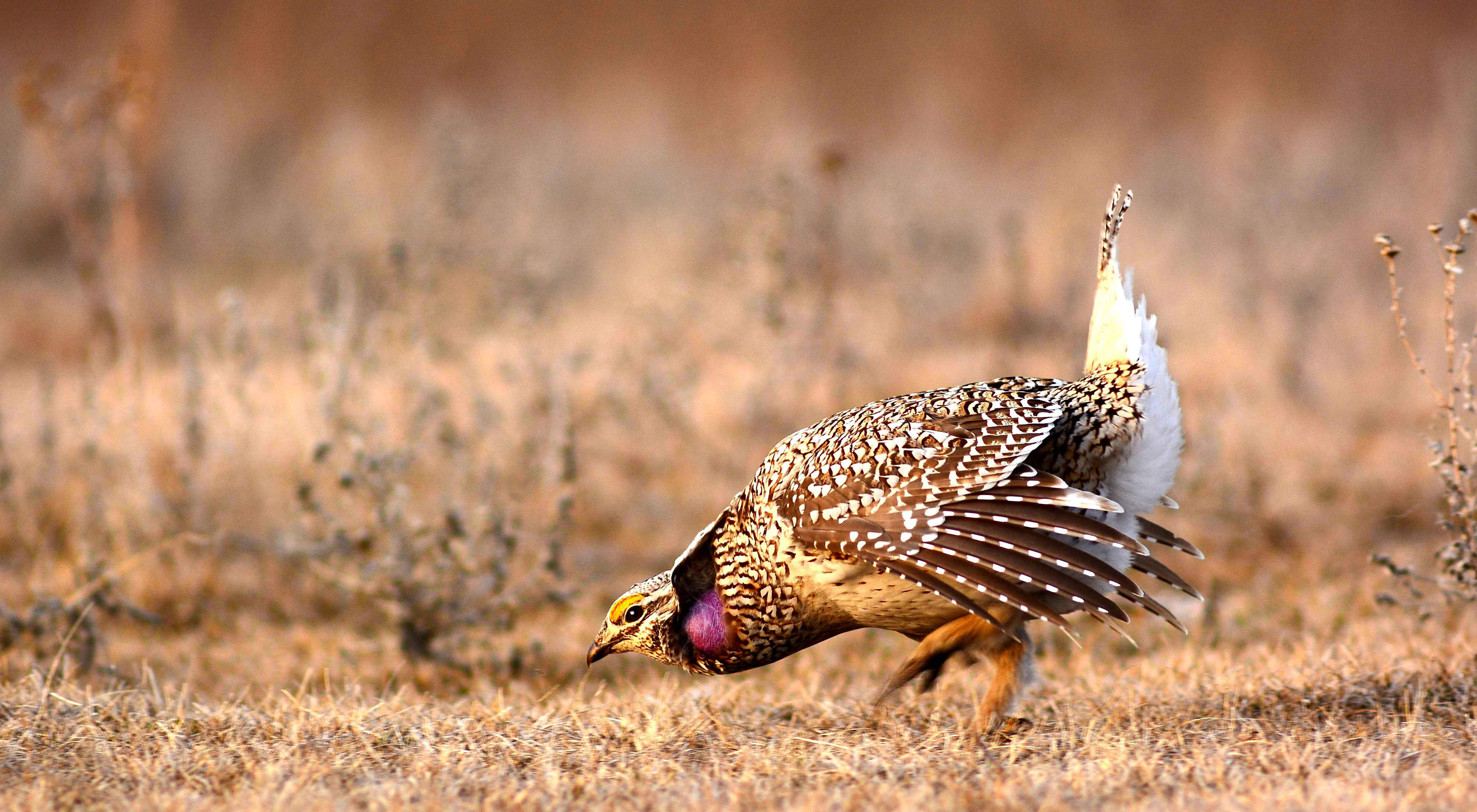
No one is quite sure why sharp‑tailed grouse disappeared from much of western Montana. The birds have natural boom‑and‑bust cycles, but this bust has lasted more than 20 years. Was it development or destruction of habitat? Did weather play a role? Could it have been hunting or predation?
Montana State University graduate student Luke Johnson may help to unravel the mystery. He’s using The Nature Conservancy’s Matador Ranch to conduct his investigation, and what he discovers could help improve survival rates of grouse that are relocated from the Matador to places further west where they’ve disappeared.
Sharp‑tailed grouse aren’t rare, but their elaborate mating dances attract bird watchers, and they are Montana’s favorite game bird, so people would like to see their numbers improve.
For several years, sharptails captured at the Matador were trans‑located to sites in western Montana with a goal of re‑establishing grouse populations there. Another team is monitoring where they travel as well as their mating and brood‑rearing success.
Meanwhile, Johnson is studying the conditions in which that original source population thrives. “We are going to evaluate cattle grazing, predator activity, habitat conditions and grouse behavior to, hopefully, construct a complete picture of how the ecosystem relationships play out on the ground,” Johnson explains. He’ll also roll in information on weather and temperatures.
Armed with that knowledge, land managers will have a better idea of where and when to graze livestock, where to avoid development and what level of vegetative restoration is ideal to preserve existing grouse populations. No one will be able to say definitively why the grouse populations dimmed in western Montana, but this research may provide valuable insights into where re‑introduced birds will have the best chance at survival and successful reproduction.
Nature is common ground.
All people, whether in Montana or halfway across the globe, need a livable climate, healthy communities and thriving nature. How do we achieve that? Together, with a clear recognition that we only have years, not decades, to shape this future.
