


Our History of Conservation in New Hampshire
From the Northwoods to the Seacoast to the Connecticut River, TNC is working to sustain people and nature throughout the Granite State.


1961 was a big year. It was the year the Berlin Wall was built, dividing East and West Germany. John F. Kennedy established the Peace Corps. Elvis was the king of rock n' roll. West Side Story and The Parent Trap both hit the theaters. And New Hampshire’s own Alan Shepard was launched into orbit—America’s first man in space.
1961 was a notable year for many reasons. But for The Nature Conservancy, it’s a pivotal one. It’s the year we conserved our very first property in New Hampshire—400 acres on Lake Nubanusit in Hancock and Nelson—and established the organization in the Granite State.
Since that first protection effort, The Nature Conservancy in New Hampshire has grown into a statewide leader in conservation, resilience, and partnership. Over the decades, we’ve protected forests and rivers, restored coastal and freshwater habitats, strengthened communities facing climate‑driven challenges, and expanded opportunities for people to connect with nature.
Today, our work continues to evolve as we apply the best available science, collaborate with local and statewide partners, and invest in the lands and waters that support both wildlife and people. From restoring estuaries and improving forest health to expanding accessible trails and strengthening community resilience, each milestone builds on the foundation laid more than sixty years ago.
The timeline below highlights key moments in this ongoing story—celebrating where we’ve been, recognizing the work underway, and looking ahead to a future where nature and people continue to thrive together.
We Can't Save Nature Without You
Sign up to receive monthly news, updates and local events from New Hampshire.
Quote: Haydn Pearson

"This is the first project of its kind that Nature Conservancy has undertaken in New England. Its success or failure will affect the future of Nature Conservancy projects in this region."
To scroll through the timeline, simply click and drag to navigate to the left or right.
Our History of Conserving New Hampshire's Lands and Waters
1960-1979
An up-and-coming organization called The Nature Conservancy takes its first steps in the Granite State.
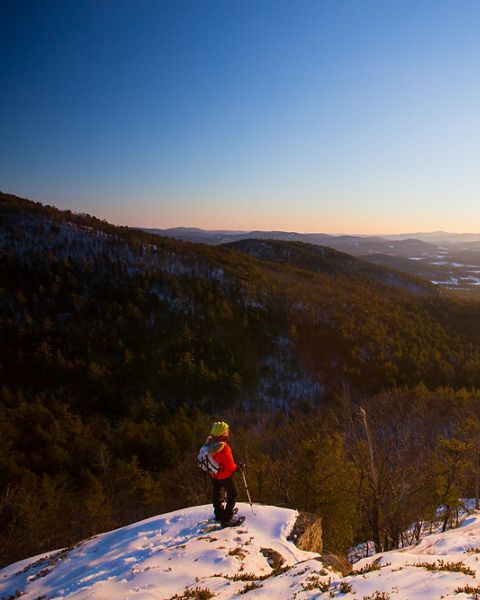

400 acres on Lake Nubanusit in Hancock and Nelson, New Hampshire go up for sale. “Nature lovers” take interest and approach an up-and-coming organization called The Nature Conservancy for help.

Richard Bennink files paperwork to incorporate the New Hampshire Chapter of The Nature Conservancy, giving the organization the ability to raise, hold and spend funds in the state.

The Nature Conservancy establishes the Louis Cabot Preserve, the organization's first protection effort in all of northern New England.

The Nature Conservancy reaches a milestone: helping to protect 1,000 acres in the Granite State.
1980-1989
The Granite State gets its first permanent staff members and some of the most iconic preserves are conserved.
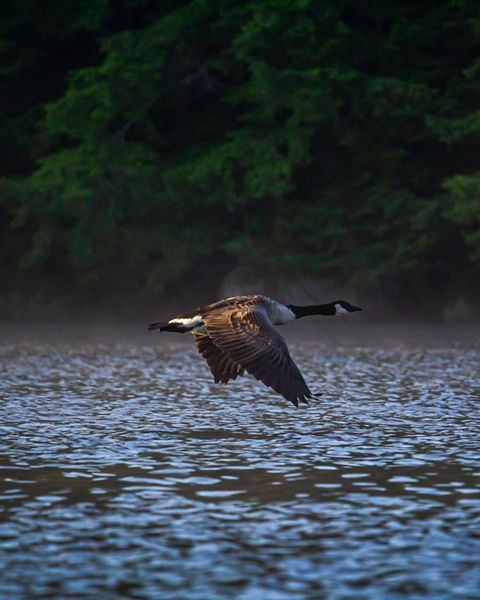

TNC staff person Phil Hoose is appointed New Hampshire's first state director.

The Ossipee Pine Barrens Preserve is established in Ossipee, Freedom and Madison, New Hampshire. The preserve features globally rare, fire-dependent habitat.
Ossipee Pine Barrens
The Nature Conservancy collaborates with the Society for the Protection of New Hampshire Forests to add Nash Stream and Stratford Bog to the New Hampshire State Forest system.
1990-1999
Using sound science and a collaborative approach, The Nature Conservancy expands its reach, establishes more preserves and becomes a leader in efforts to conserve the Great Bay Estuary.


The Green Hills Preserve is established with 2,800 acres in North Conway, New Hampshire. This iconic place would become one of TNC's most popular places to visit in the state.
Green Hills Preserve
The Nature Conservancy opens its first physical office in Concord, New Hampshire.

The Great Bay Resource Protection Partnership forms, with TNC as lead acquisition agent. The group is a collaboration between conservation organizations in the seacoast that promotes land conservation and stewardship.
Learn More: GBRPP
Children hold bake sales in Wilton as part of a grassroots effort to save 227 acres from development.

Thanks, in part, to that bake sale, Sheldrick Forest Preserve is established with 227 acres in Wilton, conserving breathtaking old growth forest.
Sheldrick Forest
Lubberland Creek Preserve is established in Newmarket. The preserve’s trails explore a mix of streams, swampy wetlands, grasslands, and dry forested uplands pocked with vernal pools.
Lubberland Creek
The $5 million “Reaching for Greatness” fundraising campaign for Great Bay kicks off. The successful campaign will jump-start more land protection efforts throughout the watershed.

Loverens Mill Cedar Swamp Preserve is established in Antrim, protecting a globally rare Atlantic white cedar swamp.
Loverens Mill2000-2009
TNC expands its conservation efforts beyond land protection with the launch of new and innovative science and stewardship programs.

18,680 acres acquired in northern New Hampshire. 10,330 establish the Vickie Bunnell Preserve, named in honor of the murdered local judge.
Vickie Bunnell
The uniquely urban Manchester Cedar Swamp Preserve is established in Manchester. It is the largest swath of conserved land in the Granite State's largest city.
Manchester Preserve
TNC helps protect over 100,000 total acres in New Hampshire with the conservation of the Connecticut Lakes Headwaters.
Fourth CT Lake
Marine Program launches. Oyster restoration becomes a focal point in the strategy to protect Great Bay.
Marine Program
The Great Bay Project Office finds a permanent home in a ranch house with the acquisition 35 additional acres on Lubberland Creek.

TNC takes over the Oyster Conservationist Volunteer Program, through which volunteers from around Great Bay raise baby oysters that are later placed on restored oyster reefs.
OC Program
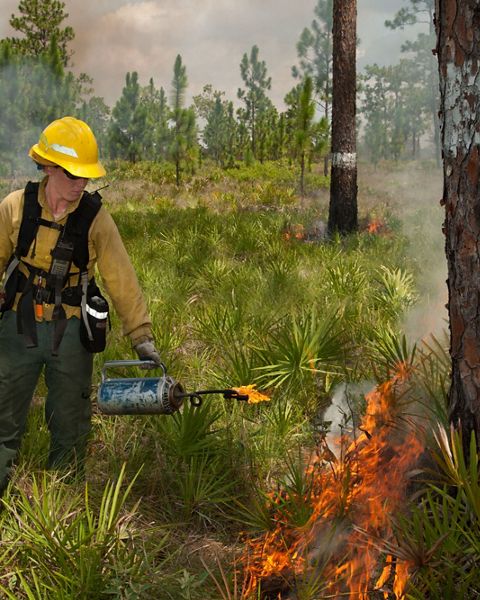
The first prescribed fire is lit in the Ossipee Pine Barrens Preserve, a globally-rare and fire-dependent habitat.

The Environmental Protection Agency recognizes the Great Bay Resource Protection Partnership with its Environmental Merit Award.

The 4.2-mile Sweet Trail opens, linking Durham to Great Bay. The trail is named after Cy and Bobbie Sweet, incredible benefactors of conservation across the state.
The Sweet Trail2010-2019
Whether by land or by water, connectivity becomes the key to conservation success.
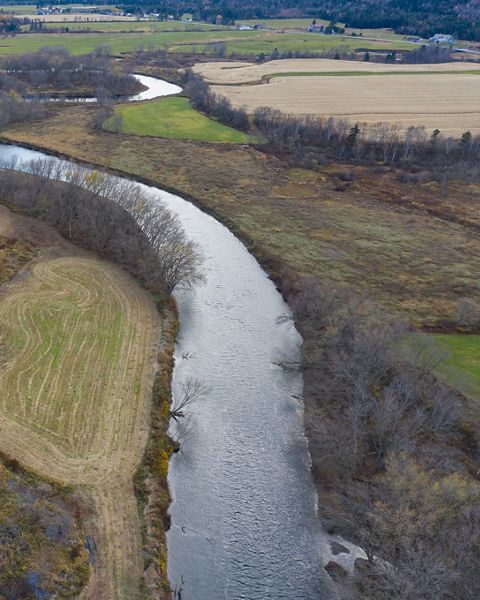

Heart failure survivor Jeremy Woodward completes the Ironman Lake Placid and raises $200,000 for TNC.

The Homestead Woolen Mill Dam is removed, restoring 27 free-flowing miles to the Ashuelot River.

The Potter Farm—now known as Maidstone Bends Preserve—is acquired and floodplain forest restoration begins on the Connecticut River.

TNC celebrates 50 years of conservation in the Granite State and having helped protect more than 270,000 acres in New Hampshire.

Our first field guide, "Discover and Explore New Hampshire's Natural Wonders" is released.

TNC launches the "Let's Grow Green Hills" campaign to add 1,300 acres to one of our most popular preserves.

Mark Zankel becomes state director for New Hampshire.

The Staying Connected Initiative, a visionary partnership to conserve landscape connections across the Northern Appalachians, launches.

TNC purchases its first New Hampshire fishing permit and establishes a Community Permit Bank, aimed at helping to keep fishermen fishing while employing sustainable fishing practices.

TNC deploys motion-sensing cameras to study wildlife movement across Route 3 in Coos County.
Wildlife Cameras
TNC restores its 20th acre of oyster reef in the Great Bay watershed, 5 years ahead of the "20 By 2020" goal.
Oyster Restoration
"Vision 2020," TNC's vision and priorities for the next five years, is unveiled. The plan tackles the bigger picture for conservation of our lands, waters and—for the first time—climate.

TNC protects 288 acres on the slopes of Cape Horn in Northumberland, which become part of Cape Horn State Forest.

TNC begins field testing the Tidal Crossing Assessment Protocol, a new tool to evaluate the condition of tidal crossings throughout the seacoast.

The Bellamy River Dam at Sawyer Mills in Dover is removed, allowing the river to flow freely in this area for the first time in more than 360 years.
Bellamy River Dam
A solar array is installed on the roof of the Great Bay Office, covering 100% of its power needs.

Advancing our commitment to work with businesses in sparking a clean energy future for the state, TNC and partners host the very first New Hampshire Energy Week.
Clean Energy Future
OktoberForest—a collaboration with local breweries to celebrate the connections between healthy forests, clean water and good beer—launches in New Hampshire.

New preserve signs begin gracing TNC preserves across New Hampshire.

Supporters rally to raise $2.1 million to protect Kimball Hill Forest in Groton, safeguarding more than 2,700 acres and 10 miles to rivers and streams.
Kimball Hill
TNC holds its first Winter Solstice Soirée, an annual open house that brings the conservation community together to celebrate turning back toward the light.

After 30 years of collaboration, the Mudd Family donates a conservation easement on 565 acres on Whitton Pond to TNC, protecting more than 7,000 feet of shoreline.

TNC launches the Future of Nature Campaign, our ambitious effort to put New Hampshire on a more sustainable path by raising and investing $40 million in our state's climate, water and people.
The Future of Nature
TNC collaborates with the Town of Newmarket to replace the culvert under Bay Road in Newmarket. The new structure allows Lubberland Creek to flow freely with the tides while making the roadway safer for people.

TNC opens a universally accessible trail at the Ossipee Pine Barrens, a first on our preserves in New Hampshire.
Accessible Trail
5000+ disease-tolerant trees and shrubs planted along the Ashuelot and upper Connecticut rivers as part of New Hampshire’s two largest-ever floodplain forest projects.
2020-Present
We are committed to tackling the climate challenge, supporting healthy oceans, waters and lands, and ensuring equitable access for people to our lands and waters. Science guides where we work to achieve these goals while equity for people guides how we work.


TNC conserves Surry Mountain, 1,324 acres in the Monadnock region, safeguarding a resilient and connected landscape while providing clean drinking water to the City of Keene.
Surry Mountain
Via their estate plans, David and Tanya Tellman donate 420 acres in Columbia, New Hampshire. Lime Pond becomes TNC's 30th preserve in the state.
Lime Pond Preserve
New Hampshire is the first TNC program to deploy SOAR—Supporting Oyster Aquaculture and Restoration—an effort that purchases oysters from local oyster farmers for reef restoration.
SOAR Program
Connect The Coast project identifies priority lands for conservation throughout the seacoast region that will allow wildlife the ability to roam more freely.
Connect the Coast
TNC celebrates 60 years of conservation in New Hampshire.

Committed to access for all to nature, TNC works together with the community to break ground on a universally accessible trail at Manchester Cedar Swamp Preserve.
Accessible Trail
Together with partners, TNC begins restoring eelgrass to the Great Bay Estuary.

Our Oyster Conservationist Volunteer Program celebrates 15 years of community‑powered restoration, engaging volunteers to grow and monitor oysters that improve water quality and habitat in Great Bay.
Explore the Program
Partnering with the NH National Guard, TNC replaces aging bridges at Fourth Connecticut Lake Preserve using Black Hawk helicopters to fly in materials, protecting fragile headwaters and improving visitor access.

The accessible All Persons Trail officially opens at Manchester Cedar Swamp Preserve, inviting visitors of all abilities to explore a rare Atlantic white cedar swamp through a thoughtfully designed boardwalk loop.

Climate Resilient Forest Management begins at Surry Mountain and Green Hills preserves, applying science‑based techniques to improve forest health, biodiversity, carbon storage and long‑term climate adaptation.
Learn More
TNC and partners restore tidal flow at Philbrick Pond, retrofitting the culvert, improving drainage, reducing flooding, and enabling the saltmarsh to recover from centuries of alteration.

TNC protects 870 acres in Northumberland and Groveton, more than doubling Maidstone Bends Preserve and safeguarding drinking water, wildlife habitat and future floodplain restoration along the Upper Connecticut River.
Maidstone Bends
Through the Summer Art and Placemaking Internship, TNC partners with Kimball Jenkins to support young artists who learn conservation skills and create climate‑themed murals transforming West High School’s courtyard.

TNC helps Emerald Acres Cooperative replace the failing Topaz Drive culvert with a new 30‑foot bridge, restoring Oyster River flow, improving storm resilience and reconnecting five miles of habitat for fish and wildlife.
Adaptation at Work
Transit to Trails launches in Manchester, offering free seasonal bus service that connects residents with parks, preserves and swimming areas, reducing transportation barriers and expanding outdoor access.

At Green Hills Preserve, TNC and partners advance climate‑smart forestry—creating patch cuts, releasing healthy non‑beech trees, and planting climate‑adapted species to boost diversity, resilience and wildlife habitat.
Stewardship in NH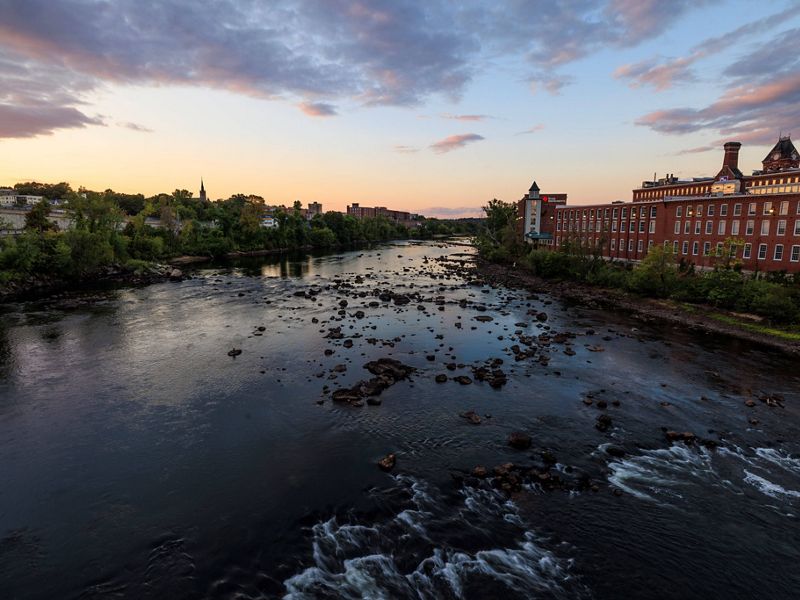
TNC and partners begin developing a comprehensive conservation plan for the Merrimack River watershed, bringing communities together to strengthen river health, habitat connectivity and flood resilience.
Merrimack River
TNC relocates to a modern, central office at 11 South Main Street in The Hotel Concord, offering improved meeting spaces, greater accessibility for partners, and close proximity to the State House for policy engagement.

At Surry Mountain Preserve, TNC advances major climate‑resilient forest management work, including wildlife monitoring, patch cuts, thinning, and legacy‑tree stewardship to strengthen long‑term forest health.
Surry Mountain
TNC begins advancing a major salt marsh restoration plan for Lubberland Creek Preserve in Great Bay, gathering data with partners to improve hydrology, resilience, and long‑term marsh ecosystem health.
Lubberland Creek
Maidstone Bends grows to 1,432 acres, connecting 3,000 acres of conserved land. TNC restores floodplain forest, plants thousands of native trees and shrubs, and documents rare species across this dynamic landscape.
Maidstone Bends
In partnership with Unchartered Tutoring, 60 students in Manchester and Nashua collect local data on flooding, trees and river access that becomes part of the Merrimack watershed plan, elevating youth perspectives.
Stories in New Hampshire

Four Ways to Conserve New Hampshire’s Waters for People and Nature
Our Freshwater Program is reconnecting waterways, restoring floodplains, improving river flows and helping ensure clean water for all.

Follow the Otterway: Safer Roads, Wilder Rivers
Get to know The Otterway: New Hampshire’s road‑stream upgrades that reconnect rivers, give critters dry passage, and make driving safer for people.

What Does It Mean to Steward Land and Manage for Resiliency?
Successful conservation requires science-based management and stewardship. Learn how we’re ensuring a healthy future for New Hampshire's lands.