


Where to bird watch in Pennsylvania & Delaware
PA & DE offer some of the best places for birding in the country. Learn about sites across both states to see unique birds.
Pennsylvania and Delaware offer some of the richest birdwatching experiences on the East Coast, with year‑round opportunities to observe migratory songbirds, raptors, waterfowl and rare species across Appalachian forests, marshes and coastal habitats. Whether you're planning your first birding trip or seeking new hotspots near home, this guide highlights the best places to explore by season, including at many of The Nature Conservancy's Delaware and Pennsylvania preserves. It also includes expert tips, species to look for and accessible locations across both states.

Spring Birding Locations
Spring is the most active birding season in Pennsylvania and Delaware, as vibrant migratory songbirds, raptors, and waterfowl move north along major flyways. Forests, wetlands, and coastal habitats come alive with species like scarlet tanagers, warblers, and owls, making this the best time of year for both beginners and seasoned birders.

TNC's Hamer Woodlands at Cove Moutain
Marysville, PA: 20 minutes northwest of Harrisburg, PA. Free to visit; open year-round.

Cove Mountain Preserve is an amazing location for bird watching year round. In the spring you’ll be able to see raptors, like broad-winged hawks, flying north along the Kittatinny Ridge, a critical connected corridor in the Central Appalachians. You might also see a male scarlet tanager; their nearly fluorescent red plumage and black wings are unmistakable. Keep your ears on alert for the hoots of Great-horned owls. They aren’t usually active during the day but sometimes you’ll hear them calling, especially in the morning or evening hours, and you might see one perched high in a tree along the trails.
TNC recently partnered with Audubon Mid-Atlantic on a proactive restoration project due to the high value of improved ridgetop landscapes. Read more about the project.


Migration Marvels of the Appalachians
In the spring and fall, the Bountiful Appalachian Forest, which stretches almost 2,000 miles from Alabama to the Canadian Maritimes, serves as a breeding ground for nearly 100 migratory bird species.
Discover 10 of these species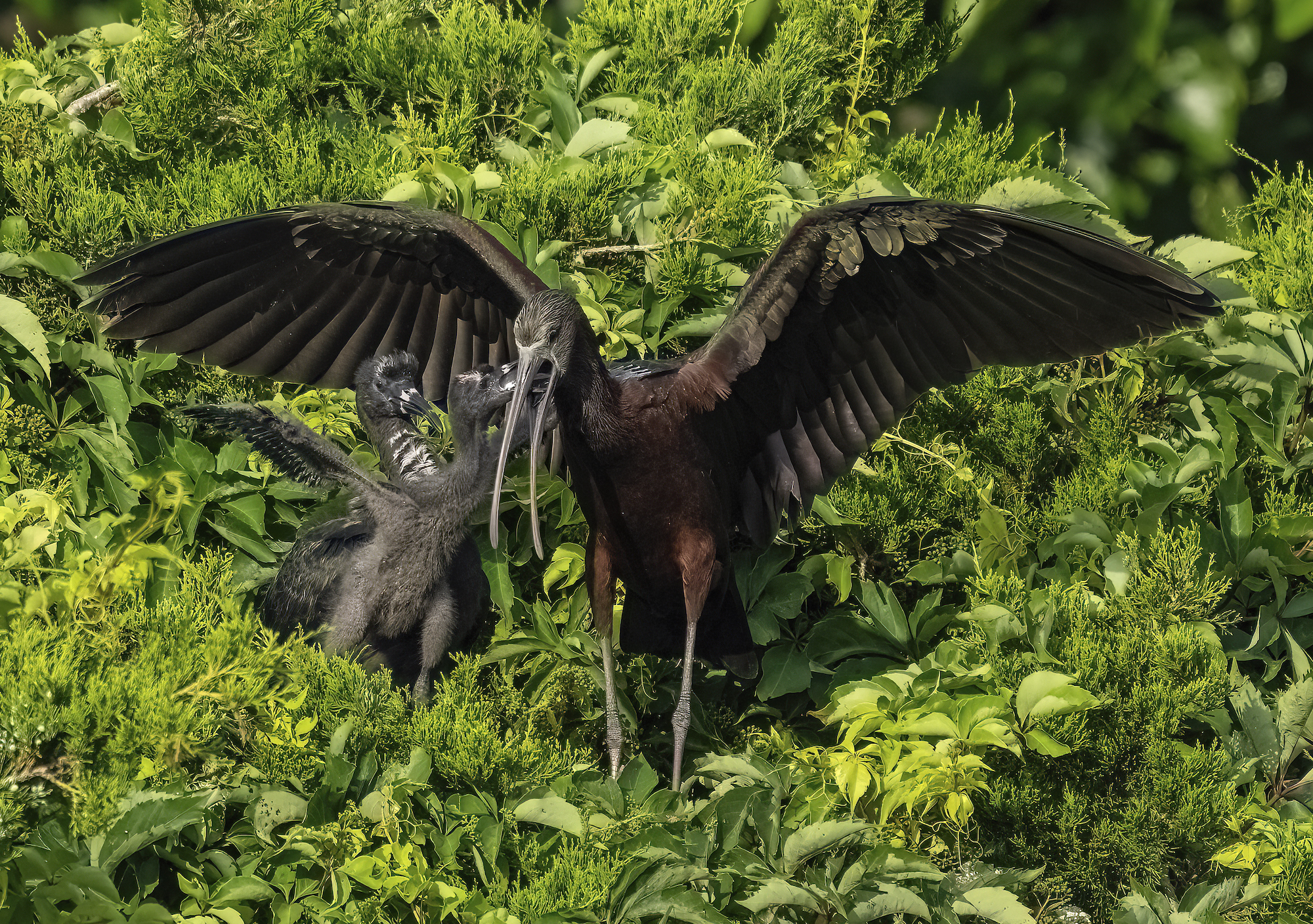
Prime Hook National Wildlife Refuge & Beach Plum Island Nature Preserve
Broadkill Beach, DE: 20 minutes northwest of Lewes, DE Prime Hook is free to visit; Beach Plum Island is part of the Delaware State Park System which charges a fee to visit from March 1 through November 30. Open year-round.
The trail system at Prime Hook National Wildlife Refuge is situated about a mile inland of the Delaware Bay and this refuge is most well-known for its extensive fresh and saltwater wetlands. In 2003, TNC transferred several tracts of lands totaling nearly 50 acres to the U.S. Fish & Wildlife Service to expand Prime Hook. The Refuge provides an important stopover site for migratory birds as they travel up and down the Atlantic Flyway. Three-hundred and eight bird species have been observed here!
Nearly 80% of the 10,000-acre preserve is comprised of fresh and salt water wetlands where you can see wading birds like green herons and water fowl like wood ducks. Spot colorful migratory songbirds like the yellow warbler and the common yellowthroat in the spring and fall months. The Refuge’s bird brochure is available here.
Beach Plum Island is a scenic, ten-minute drive from Prime Hook through wetlands where you might see a glossy ibis probing the mud with its long bill as it searches for food. But the main draws at Beach Plum Island are the shore birds populating the sandy beaches of the Delaware Bay. The star of the spring migration here each year are the red knot, a stocky, medium-sized shorebird that stops briefly each May to feast on horseshoe crab eggs. The red knot is a federally threatened species that flies more than 9,300 miles from South America to the Arctic every spring—and repeat the trip in reverse every autumn—making this bird one of the longest-distance migrants in the animal kingdom. Also commonly found feasting alongside the red knots: ruddy turnstones and semipalmated sandpipers.
Prince Gallitzin State Park
Cambria County, PA: 25 minutes northwest of Altoona, PA. Free to visit: Open year-round
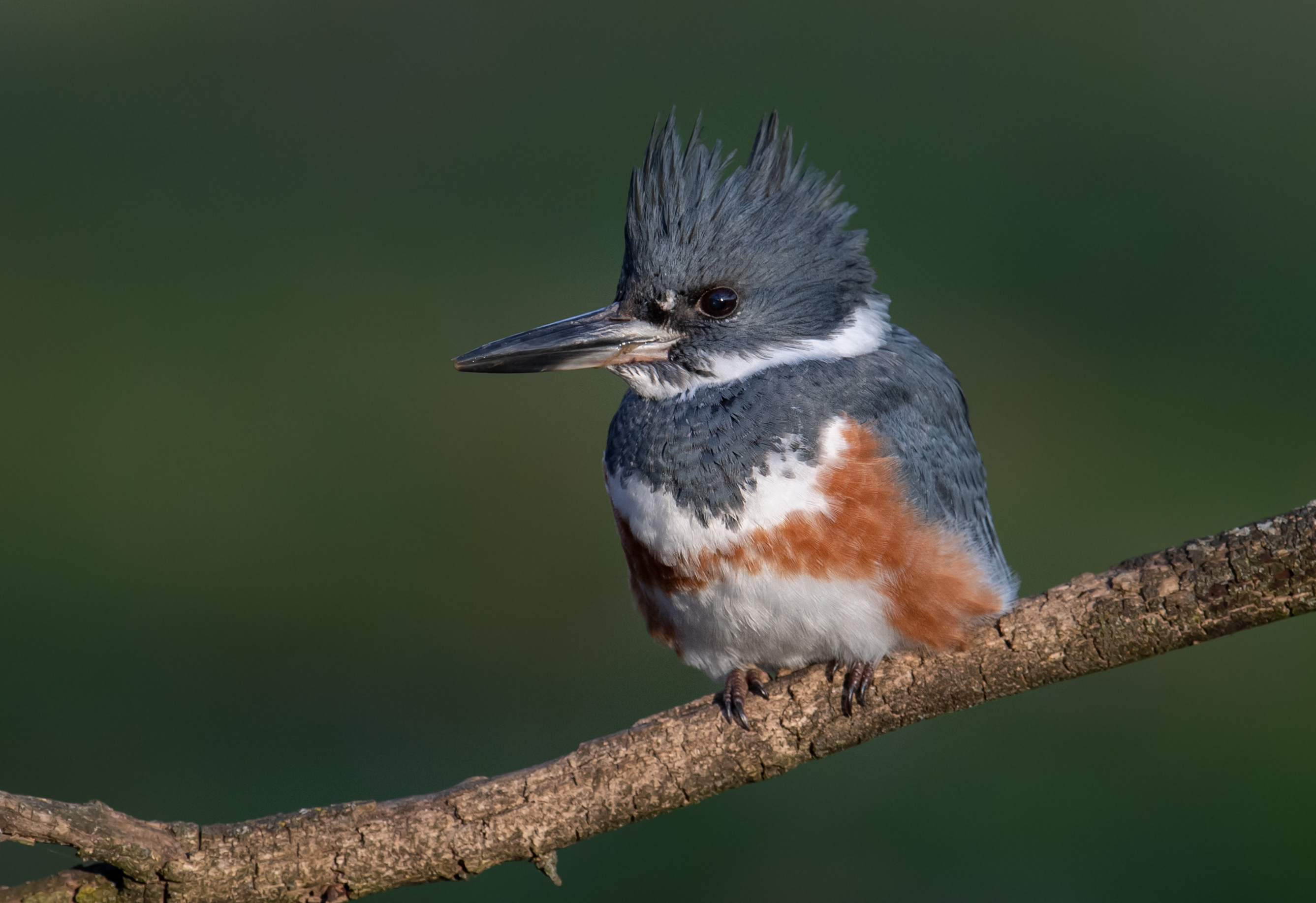
Prince Gallitzin State Park is a 6,249-acre state park in western-central Pennsylvania that features more than 32 miles of hiking trails and excellent birdwatching opportunities. TNC has recently partnered with the Bureau of State Parks to expand prescribed fire efforts on this critical Appalachian landscape. The 1,635-acre Glendale Lake, with its 26 miles of shoreline, is home to many species of ducks, herons and rails. During the spring and fall, waterfowl stop at the lake to rest on their migrations north and south. If you hike around the lake, look for belted kingfishers sitting in the trees along the water’s edge—you might hear them before you see them as their distinctive call alerts you to their presence.
The forests of the park are excellent for seeing many species of migratory songbirds, especially warblers and vireos, like the magnificent white-eyed vireo. A list of birds you can see at Prince Gallitzin State Park can be found here.
Springtime Birding Events
- National Go Birding Day: April
- World Migratory Bird Day: May & October
- Black Birders Week: May
Summer Birding Locations
Summer birding offers excellent opportunities to observe resident species raising their young, hunting and nesting across forests, rivers and coastal areas. While migration slows, you’ll see bluebirds, wood thrushes, raptors and wading birds like great blue herons. Shaded trails and wetlands provide reliable viewing during warm, quiet morning hours.

TNC's Edward H. McCabe Preserve
Milton, DE: 20 minutes northwest of Lewes, DE. Free to visit; open year-round.

The Edward H McCabe Preserve is a 143-acre preserve featuring hiking trails and a wide variety of habitats, including open fields, woodlands of various ages as well as tidal marshes and riverine ecosystems. Visitors can access this preserve by canoe or kayak from the town of Milton via the Broadkill River.
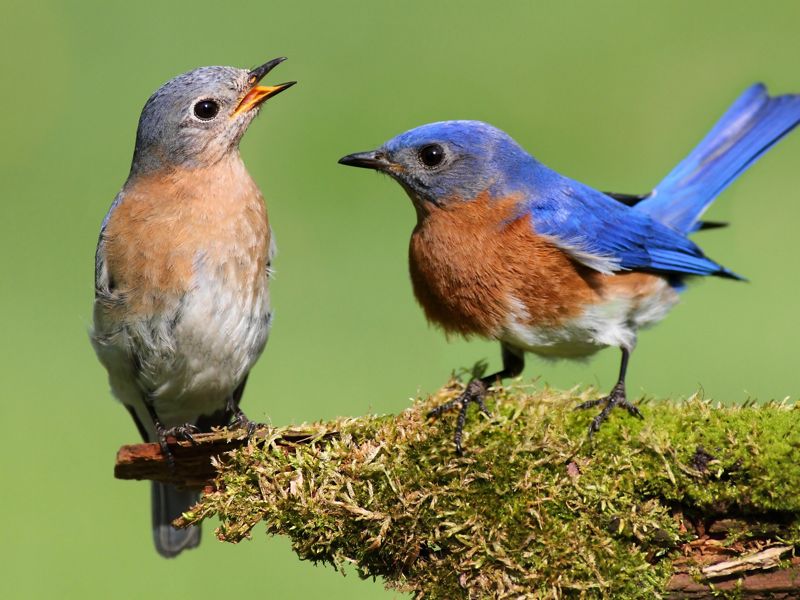
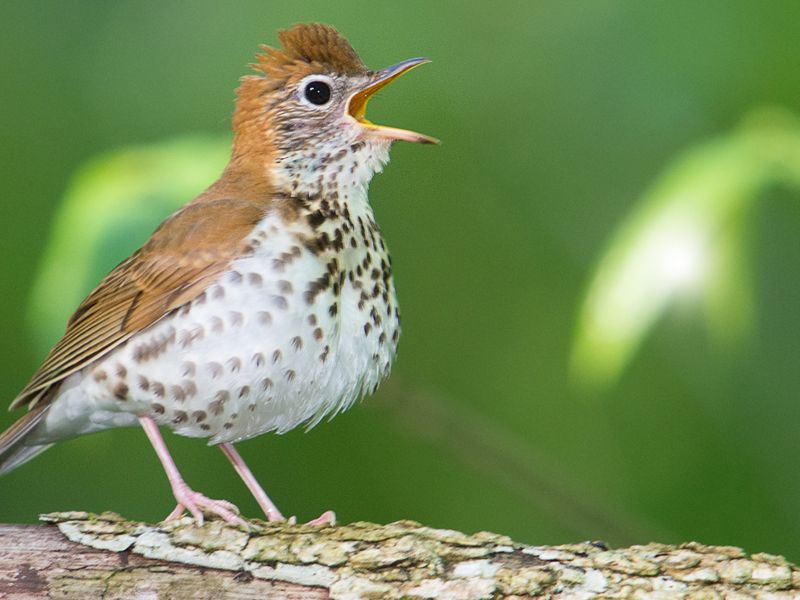
Over 100 bird species have been observed here, including a pair of bald eagles that have been nested nearby in recent years making them a common sight from the canoe dock and picnic table. Osprey are also common, hunting for fish and carrying them in their talons back to their nest for their hungry young. As you hike, you may spot a wood thrush hopping around the forest floor searching for insects under the gaze of eastern bluebirds perched on the tips of tree branches along the edge of the fields.


McCabe Bird List
Explore our McCabe Preserve birding list to see which bird species you’re most likely to encounter in each season throughout the year.
See the List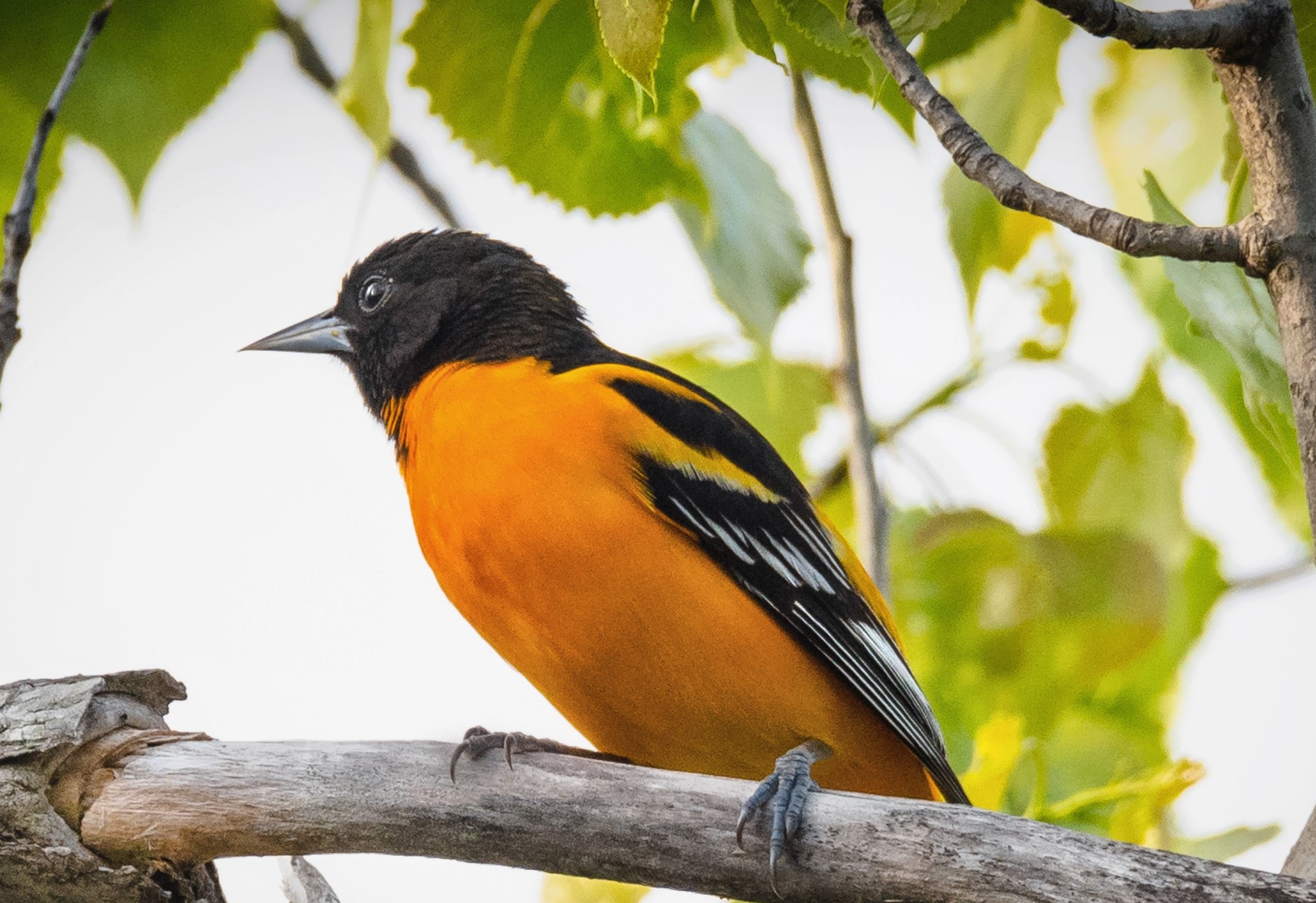
John Heinz Urban National Wildlife Refuge at Tinicum
Philadelphia, PA: 5 minutes from Philadelphia International Airport. Free to visit; open year-round.
Established as the first urban wildlife refuge in in America in 1972, the refuge features more than 10 miles of trails, including the popular 3.5-mile Wetland Loop. The Big Boardwalk Loop is less than 1 mile and is wheelchair accessible—both trails are excellent for birding. Most days, it’s not a question of if you will see a great blue heron but how many. Keep your eyes peeled for the American coot—a plump, black chickenlike bird with a rounded head and a white sloping bill—and the Baltimore oriole with its trademark orange breast. Check out the refuge’s calendar of events to find various birding events offered throughout the year.
Fall Birding Locations
Fall brings a surge of southbound migration as hawks, warblers and hummingbirds travel through Pennsylvania and Delaware. Ridgetops and coastal preserves offer prime viewing of large raptor kettles, active songbirds and species preparing for long-distance flights. Cooler temperatures and colorful foliage make autumn one of the most dynamic birding seasons.

TNC's Dick & Nancy Eales Preserve at Moosic Mountain
Jessup, PA: 15 mintues east of Scanton, PA. Free to visit; open year-round.

The Dick and Nancy Eales Preserve at Moosic Mountain is one of TNC’s most-visited preserves in Pennsylvania. Visitors can enjoy miles of hiking trails and mountain bike access, as well as incredible mountaintop views and excellent options for birdwatching, especially during the fall and spring migrations of songbirds and raptors. An array of ecosystems can be found across the 2,250-acre preserve including mature forest and ridgetop heath barrens which are comprised of a healthy mosaic of pine and oak forest dominated by huckleberry, blueberry, rhodora and other low-lying shrubs that attract a broad array of birds, butterflies and moths.
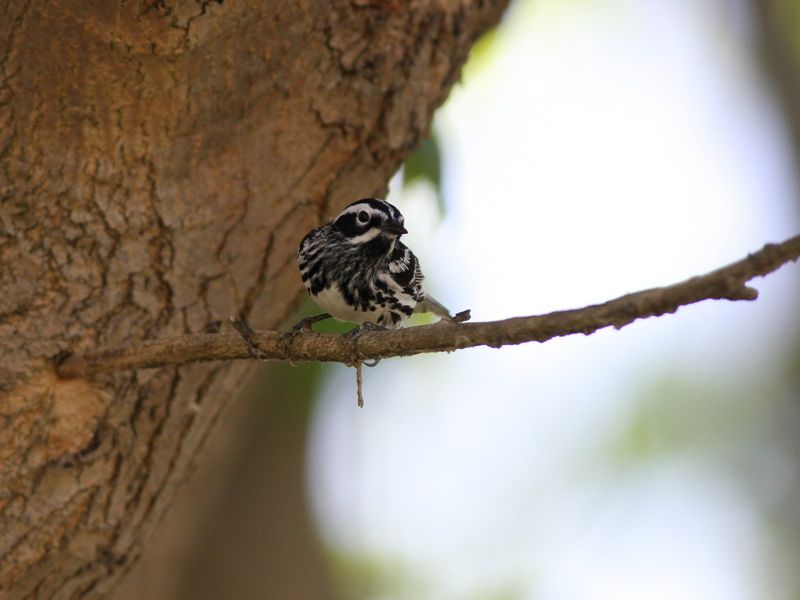
The small, zebra-striped black and white warbler breeds in Pennsylvania's forests each summer and spends its winters as far south as Colombia and Venezuela. You may see it creeping along branches searching for insects but are more likely to hear its very high-pitched two-note song, which some describe as a squeaky wheel.
With its flute-like song, the hermit thrush has been lauded by Walt Whitman and is, to many, the voice of Moosic Mountain. After a long journey from its wintering grounds in the southern United States and south to Central America, the hermit thrush breeds and forages for insects and berries in northeast Pennsylvania's forests. And every autumn, hundreds of thousands of broad-winged hawks depart the forests of North America for their winter grounds in South America. They fill the sky in sometimes huge flocks—called kettles—that can contain thousands of birds at a time


First State National Historical Park, Brandywine Valley Unit
Wilmington, Delaware. Free to visit; open year-round
The park features more than 20 miles of hiking trails across more than 1,300 acres of rolling agricultural fields, pastures, forested hills, and streams that showcase the natural and cultural legacy of the larger Brandywine Valley in northern Delaware and southern Pennsylvania. According to the National Park Service (NPS), “105 species of birds have been identified, however, there are probably many more species of birds that have not yet been confirmed.” TNC has been partnering with the NPS since 2016 when our community-science Stream Stewards program volunteers first began tracking water quality in the streams that run through the park.
If you listen for the call of the ruby-throated hummingbird you’ll hear these tiny birds more than you may see them. Both the males and females feature a dazzling emerald-green coat, but only the males have the namesake ruby-red throat. Look for these birds foraging for nectar among wildflowers or searching for insects as they fatten up before their long flights back to Mexico and Central America.
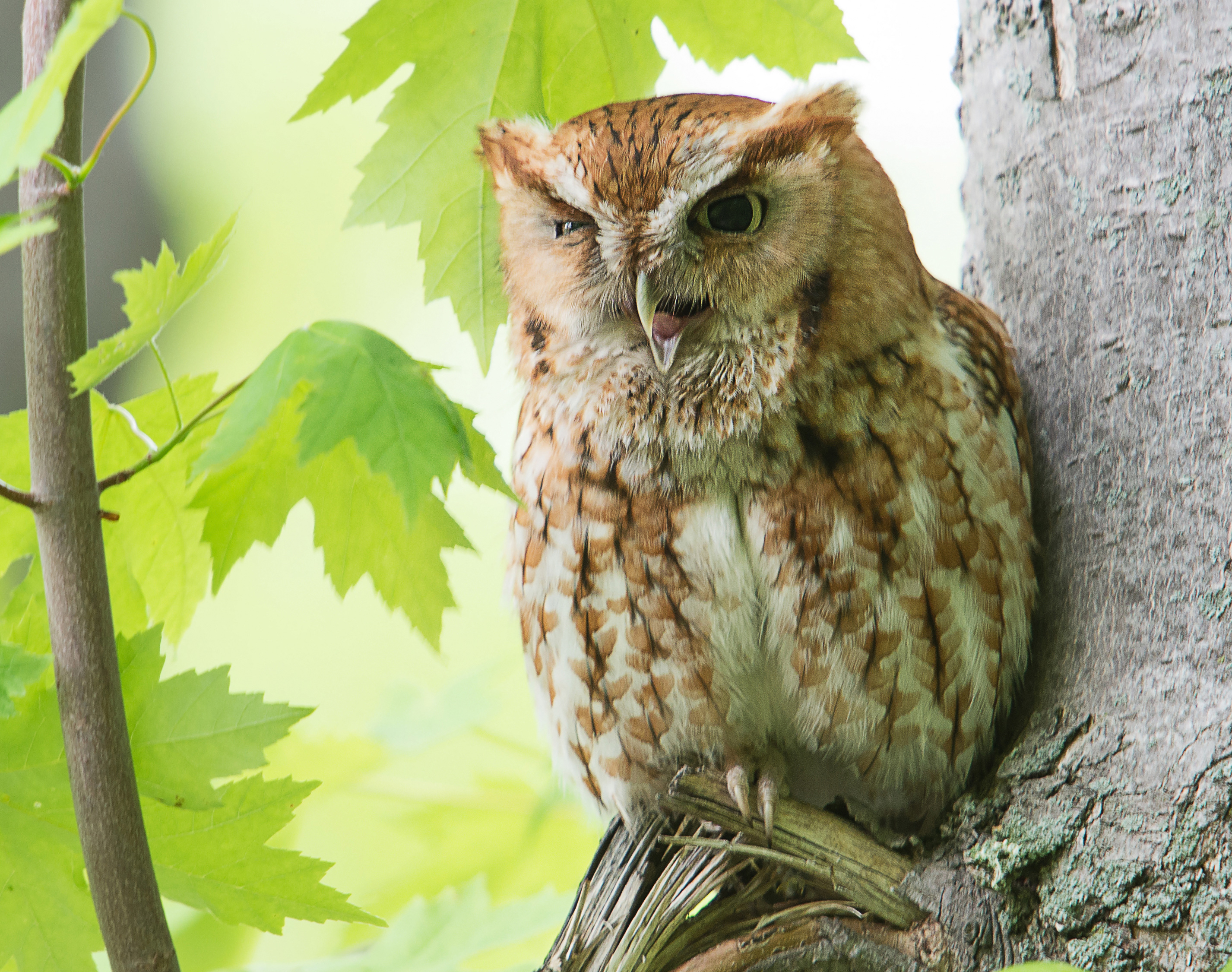
As you walk through the woods, look up into the trees for holes and nooks where the eastern screech owl might be roosting for the day. These small owls are well camouflaged so your best chance of seeing one may be to listen for the noisy commotion of songbirds mobbing an owl they have found. If you look closely at tree cavities and nesting boxes, especially on cold sunny days, you may see a screech owl sunning itself sleepily.
Hawk Mountain Sanctuary
Kempton, PA 40 minutes northwest of Reading, PA. Non-members must pay trail fee; Open year-round
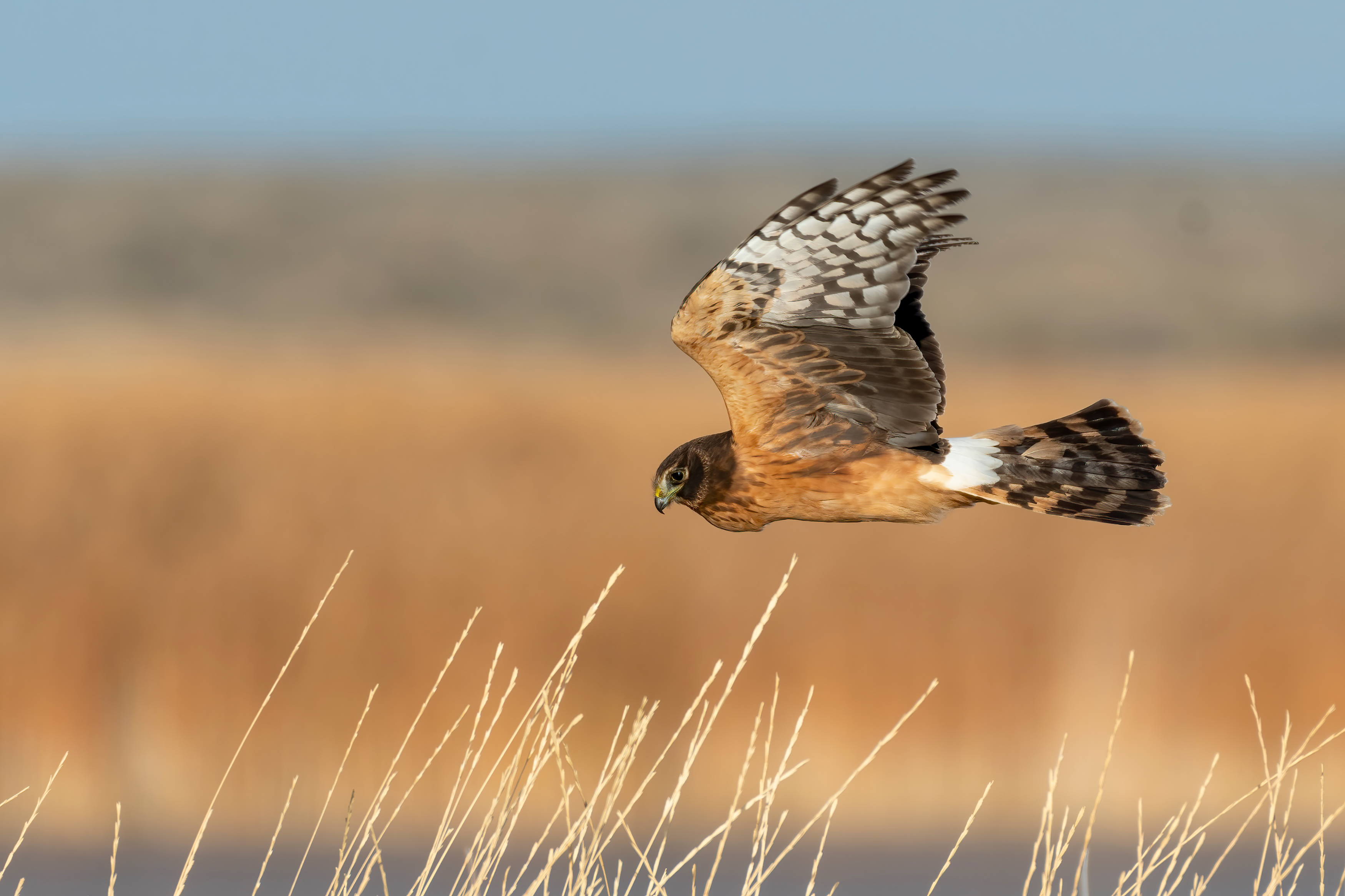
Perched along the Appalachian Flyway, Hawk Mountain Sanctuary is one of the premier places in North America to witness the fall raptor migration. Each year, tens of thousands of hawks, eagles and falcons ride the ridge’s updrafts, offering visitors spectacular viewing opportunities from its iconic lookouts.
Hawk Mountain is also a leader in global raptor conservation, long-term migration monitoring, and environmental education. TNC and Hawk Mountain Sanctuary share a deep, ongoing commitment to protecting this landscape.
In 2018, together, we placed more than 2,400 acres of Sanctuary land under a conservation easement, ensuring the Kittatinny Ridge remains wild, intact and essential for migrating birds.
A fall visit here offers not only sweeping views and unforgettable wildlife moments, but also a connection to decades of collaborative conservation, helping to keep this critical flyway thriving.
Falltime Birding Events
- International Hawk Migration Week: September
- Philly Birding Weekend: October
- Birdability Week: October
Winter Birding Locations
Winter birding reveals hardy species like woodpeckers, finches, raptors, and wintering waterfowl across forests and wetlands. Many birds are easier to spot without foliage, making identification more accessible for beginners. Species such as cedar waxwings, northern flickers and bald eagles are commonly seen during this peaceful cold‑season birding period.

Long Pond Preserve and Hauser Nature Center
Long Pond, Pennsylvania. Free to visit; open year-round.

TNC's Long Pond Preserve complex in western Monroe County, Pennsylvania, includes the Hauser Nature Center and the nearby Long Pond Barrens. Situated along the southeastern edge of the Pocono plateau, the preserve is one of Audubon Society’s Important Bird Areas of Pennsylvania and contains a wide variety of wildlife habitats, including bogs, swamps, barrens, oak forest, boreal forest and northern hardwood forest. Year-round, you can enjoy the guided birding audio trail at The Barrens.
In winter, you have a good chance to spy the uniquely patterned northern flicker, which has a black polka-dotted breast and red on its face. Unlike most woodpeckers that you’ll find high up in a tree, the Northern flicker is often found closer to the ground. You’ll also see cedar waxwings feasting on dried berries and fruits in the winter. These unique birds have a silky, shiny appearance of brown, gray and yellow, accented with a subdued crest, a black mask and red on the wing feathers.

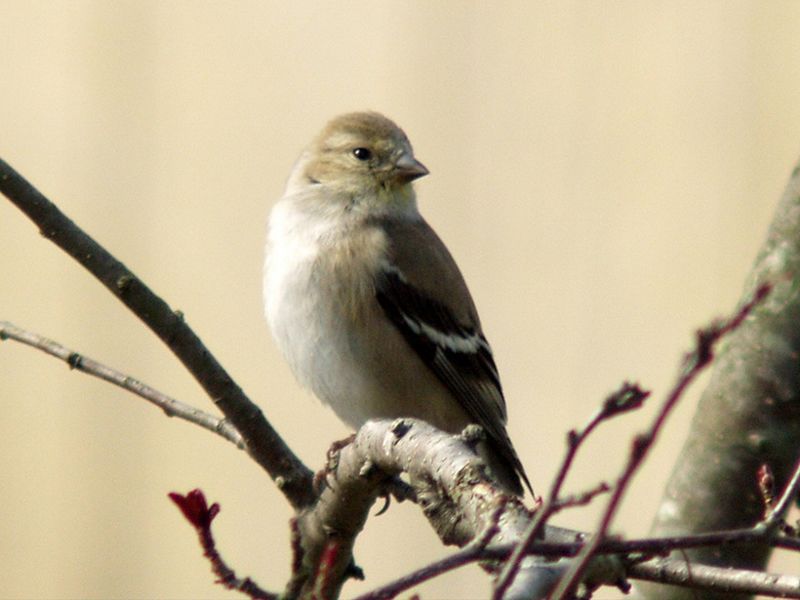


Long Pond Birding Trail
Nestled in a unique mesic till barrens habitat, this trail offers a delightful blend of recreation and community science. On-site, you can follow the stations and scan QR codes with your mobile device to access our interactive audio tour, or enjoy it virtually.
Explore the Virtual TourPonders Tract at Pemberton Forest Preserve
Milton, DE: 40 minutes south of Dover, DE. Free to visit: Open year-round.

When TNC acquired Ponders Tract in 2004, it was a former pine plantation lacking in biodiversity. Today, after years of forest restoration efforts including prescribed burning, a more natural, mixed hardwood forest is returning. This preserve features 9 miles of trails over mostly flat and sandy terrain making it accessible to all.
Pileated woodpeckers, America’s largest woodpecker species, stays around for the winter and is known to search trees and logs in search of insects. With a distinct call and a unique flight pattern, this species is hard to miss.
Ponders Tract Bird List
Explore our four-season birding list for Ponders Tract to find out which bird species are present during each time of year.
See the ListWintertime Birding Events:
- Audubon’s Christmas Bird Count: December - January
- Great Backyard Bird Count: February
More Places to Bird Watch
Our public preserves in Pennsylvania & Delaware are excellent hot spots for birding. Plan your visits to explore these locations.

Birding Resources & Groups
Birding Apps for Smartphones:
-
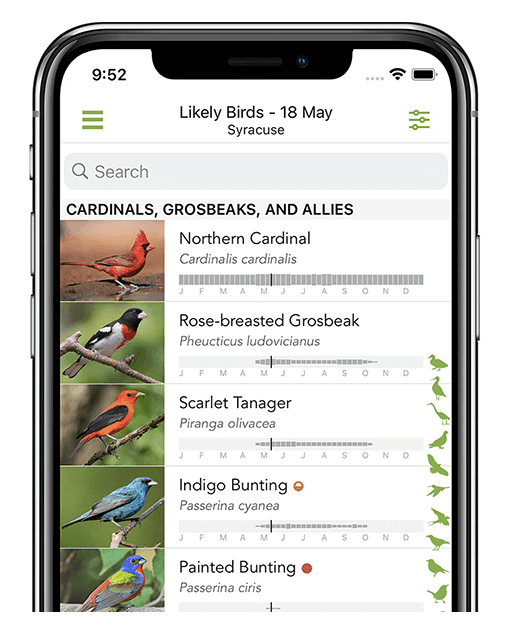
Merlin
Identify the birds you see or hear with Merlin Bird ID. Free global bird guide with photos, sounds, maps, and more. Learn More
-

iNaturalist
Log your bird sightings (along with other wildlife and plants) and get help from a community of scientists and experts who can identify any unknown birds you observe. Learn More
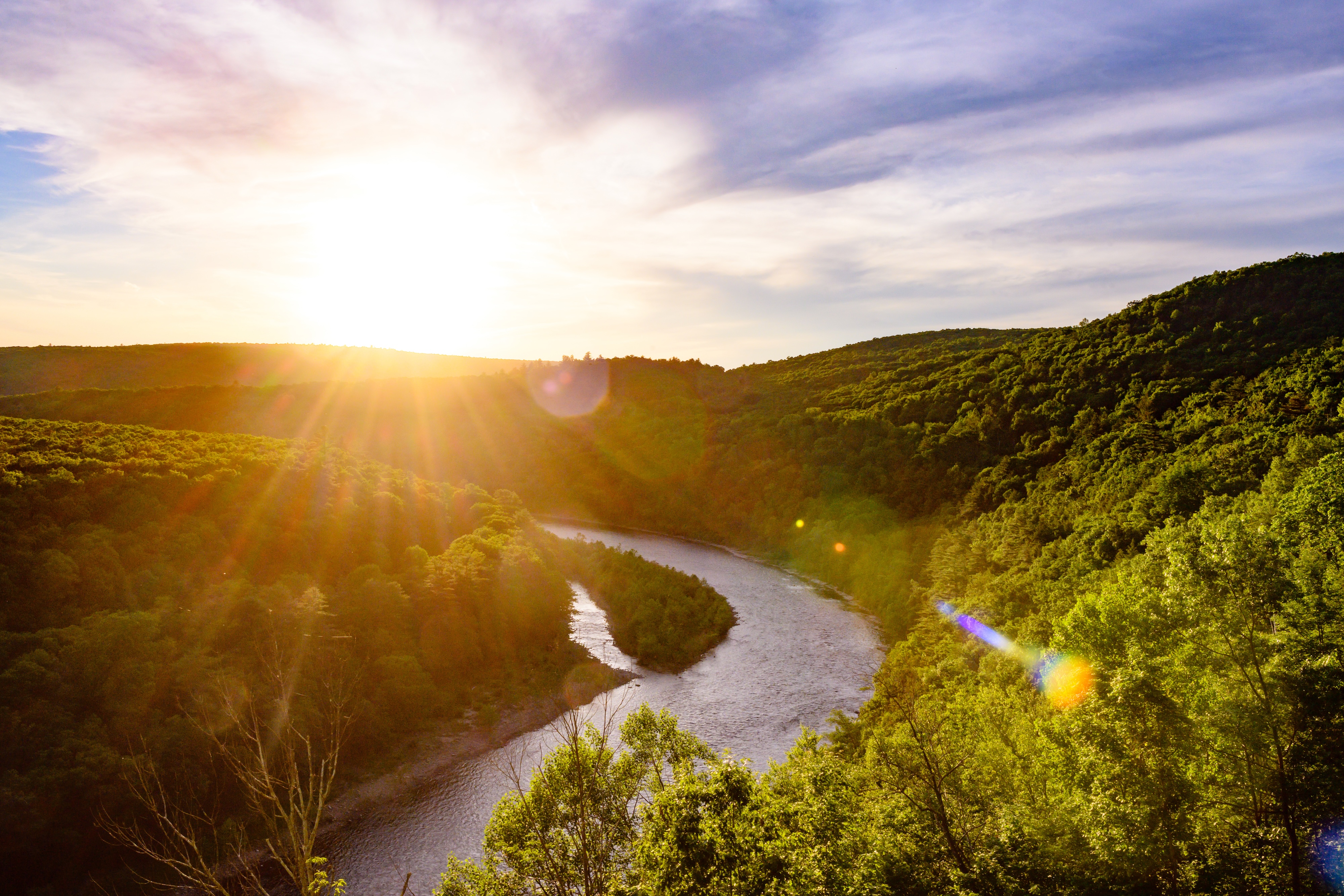
Birding Groups in Pennsylvania
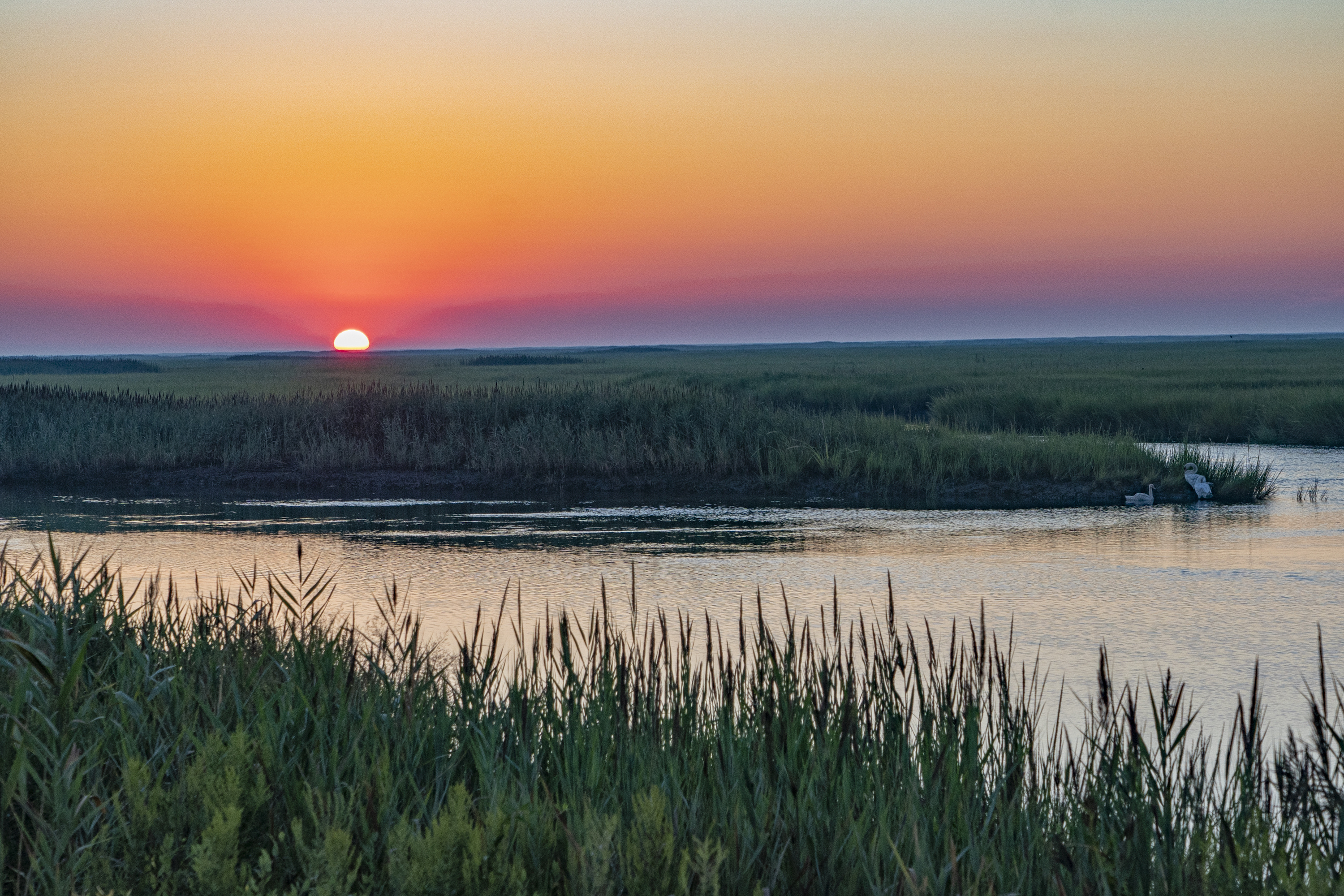
Birding Groups in Delaware
Birding FAQs
-
Birding is excellent year-round, but spring and fall migrations bring the most diversity. Spring offers colorful songbirds and raptors heading north, while fall provides peak hawk migration and coastal shorebirds. Summer and winter also feature resident species, waterfowl and unique seasonal behaviors.
-
We recommend:
- Philadelphia: John Heinz National Wildlife Refuge
- Harrisburg: Cove Mountain Preserve
- Scranton/Wilkes‑Barre: Eales Preserve
- Lewes/Milton: Prime Hook & McCabe Preserve
All offer easy access, marked trails, and great viewing opportunities.
-
No, many beginners start with just their eyes and ears! You may also want a basic pair of binoculars (8x42), a field guide or birding app, weather-appropriate clothing and water.
-
Yes. Many sites include flat trails, boardwalks and clearly marked paths. Places like Prime Hook and Long Pond/Hauser Nature Center are especially beginner-friendly.
-
Absolutely. Winter is one of the best times to see woodpeckers, waterfowl, bald eagles and flocking species like cedar waxwings.
-
Policies vary. Some preserves allow leashed dogs, while others prohibit pets to protect wildlife. Check each preserve’s guidelines before visiting.
-
We recommend a full water bottle, weather-appropriate layers, closed-toe shoes, a notebook or phone for sightings, and insect repellent in warm months.
-
Use free apps like Merlin or eBird, join a local birding group, take part in events like the National Go Birding Day, and practice listening for bird calls during quiet hours in the morning.
Stay in Touch
Sign up to receive monthly e-mail conservation news & updates from your state.


